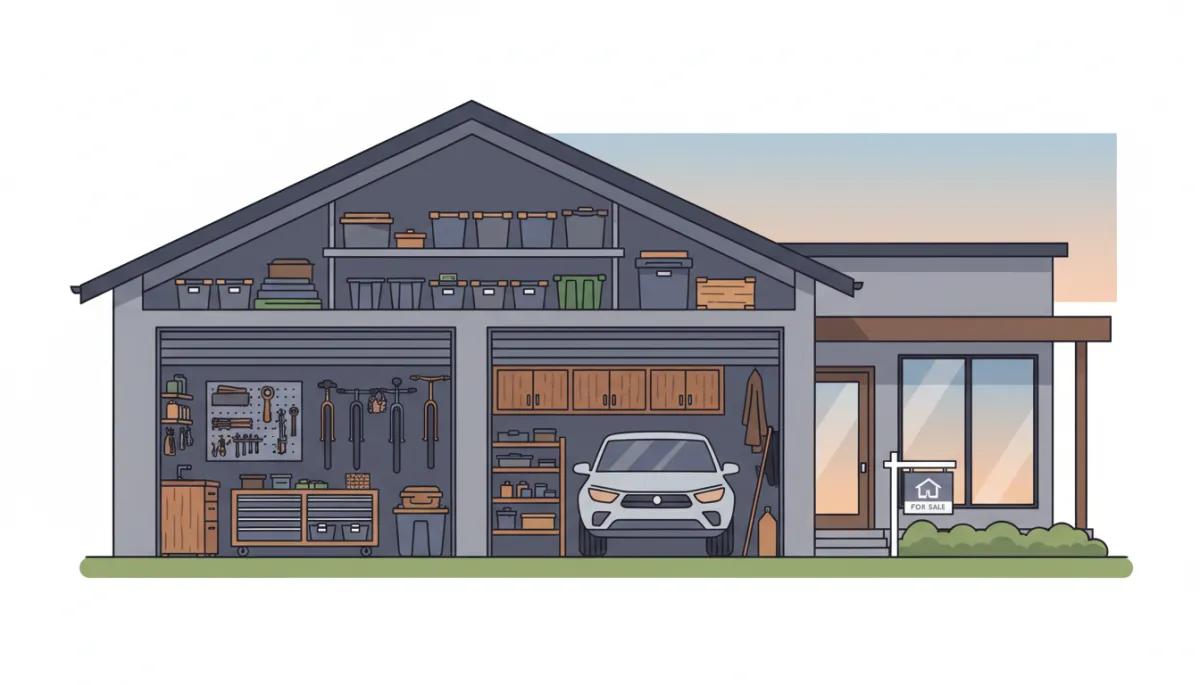
Why Garage Space is Key in Home Buying
Real Estate, Home Buying, Garage Space
Why Garage Space Matters More Than You Think When Buying a Home
When most buyers tour a property, their attention goes first to the kitchen, bathrooms, and living spaces. Yet one of the most underrated home features is sitting just a few steps away: the garage. Thoughtful garage space can significantly influence daily comfort, storage solutions, and even long-term property value, making it a critical factor in smart home buying decisions.
The Overlooked Power of Garage Space in Home Buying
In competitive real estate markets, buyers often prioritize bedroom count, lot size, or school districts. While these are essential, overlooking garage space can be a costly mistake. A garage is more than a sheltered parking spot; it is a flexible extension of the home that supports storage, hobbies, and everyday routines. When you view garage space as a core component of the property rather than an afterthought, you evaluate homes more strategically and avoid compromises that will frustrate you later.
As lifestyles evolve, families accumulate sports equipment, tools, seasonal décor, and outdoor gear. Without adequate storage solutions, these items quickly spill into living areas, closets, and hallways. A well-planned garage helps maintain order and protects both your belongings and your investment. For many buyers, the right garage can be the difference between a home that works and one that constantly feels cramped.
How Garage Size and Layout Affect Everyday Living
One of the first questions to ask when assessing garage space is simple: What will this space realistically need to hold? A single-car garage may be adequate for a city townhouse with limited vehicles, but a growing family in the suburbs may quickly outgrow it. Consider not only how many cars you own today, but also your likely needs over the next five to ten years. Will a teen driver need a spot? Do you anticipate buying a larger vehicle, such as an SUV, truck, or recreational vehicle?
Beyond car capacity, the layout matters. A deep or slightly wider garage may offer valuable room for bikes, lawn equipment, or a workbench without forcing you to squeeze between bumpers and walls. Look for clear walking paths from the garage into the home, and pay attention to ceiling height. Higher ceilings can accommodate overhead racks, hanging storage, or even a loft area, dramatically expanding storage options without increasing the home’s footprint.
💡 Pro Tip: When touring a property, bring a tape measure and compare the garage dimensions with your current vehicle and storage needs. A few extra feet can translate into significantly more functional space.
Garage Space as a Built-In Storage Solution
In many homes, the garage functions as the primary storage hub. Thoughtfully designed storage solutions in this area can reduce clutter throughout the property and make daily life more efficient. When evaluating a garage during the home buying process, consider how easily it can be equipped with shelves, cabinets, hooks, or modular systems. Even if these features are not already installed, the potential to add them is a major advantage.
Vertical storage: Wall-mounted racks and pegboards keep tools, sports equipment, and garden supplies off the floor and within easy reach.
Overhead systems: Ceiling-mounted platforms or tracks are ideal for storing seasonal décor, camping gear, or rarely used items while preserving floor space for vehicles.
Cabinets and workbenches: Enclosed cabinets keep the space visually tidy, while a dedicated work surface supports DIY projects, repairs, and hobbies.
When these storage solutions are possible, the garage effectively becomes an extension of your interior closets and utility rooms. For buyers who value organization, this can be one of the most attractive home features on the property. It also reduces the temptation to rent off-site storage, saving money and keeping belongings conveniently accessible at home.
The Impact of Garage Space on Property Value
From a real estate perspective, garage space can contribute meaningfully to property value. While exact numbers vary by region and market conditions, homes with functional, well-maintained garages typically command higher prices and attract more buyer interest than similar properties without them. In many suburban and rural areas, a two-car garage is considered a standard expectation, and homes lacking this feature may need to price more aggressively to compete.
Appraisers and buyers alike recognize that a garage protects vehicles from weather-related wear, reduces the risk of theft or vandalism, and provides valuable storage. In neighborhoods where parking is limited or street parking is restricted, a dedicated garage can be a significant advantage. Over time, as you maintain and possibly upgrade the garage with better organization systems or improved finishes, you are not only enhancing your daily experience but also strengthening the property’s resale appeal.
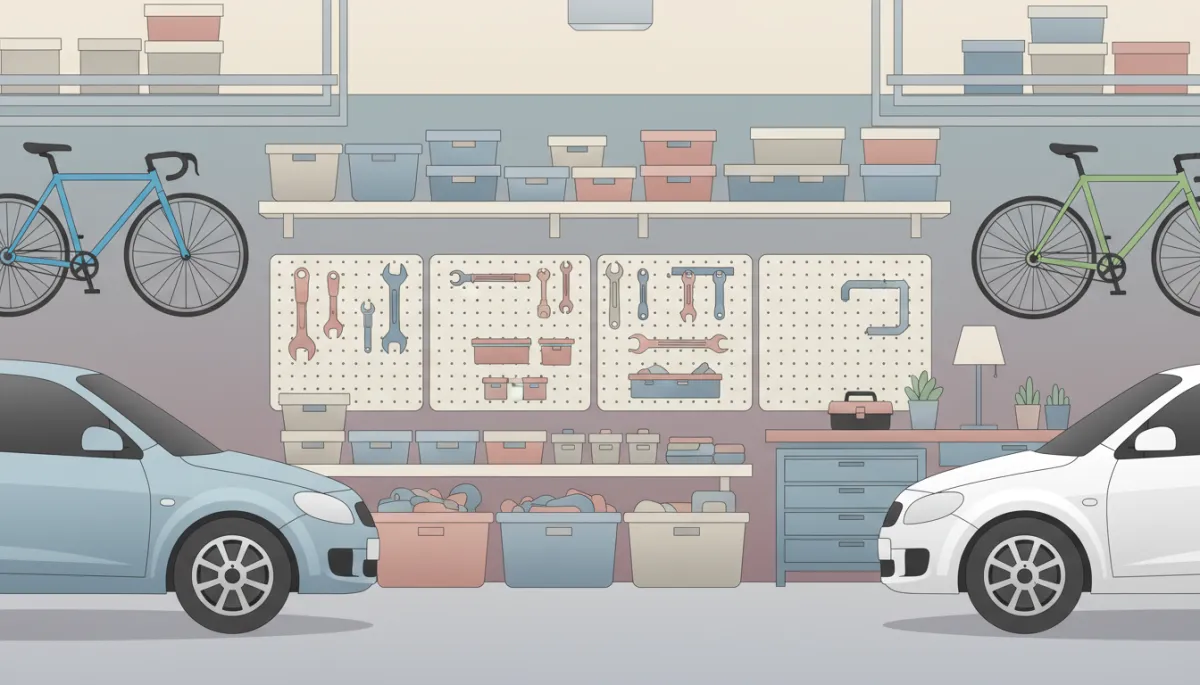
Organized, functional garages consistently stand out in real estate listings and buyer tours.
Climate, Security, and Lifestyle: Hidden Benefits of a Good Garage
A well-designed garage offers more than storage and parking. It can improve comfort, security, and convenience in ways that are easy to underestimate during a quick home tour. In colder climates, pulling into an attached garage keeps you out of snow, rain, and wind, and reduces the time your vehicle spends exposed to harsh conditions. In hot climates, shaded parking helps protect interiors from sun damage and keeps cars cooler, which is especially important for families with young children or pets.
Security is another key consideration. A lockable garage with solid doors and modern openers can deter theft and provide a safer transition from car to home, particularly at night. Many homeowners also store valuable tools, sporting equipment, and bicycles in the garage. Choosing a property with a secure, enclosed garage reduces the risk of loss and may even influence insurance costs, depending on your provider and policy.
Evaluating Garage Space as a Core Home Feature
When you approach home buying with a checklist of must-have home features, it is wise to include specific criteria for garage space. Rather than simply noting “garage” as a yes-or-no item, define what you truly need. For example:
Minimum number of parking bays (one-car, two-car, or more)
Preference for attached versus detached garages, based on climate and lifestyle
Adequate ceiling height for overhead storage or potential lifts
Electrical access and lighting suitable for projects or charging equipment
Treating garage space as a core home feature helps you stay disciplined during the search process. It is easy to be swayed by a beautifully staged living room or a recently renovated kitchen, but if the garage fails to meet your functional needs, you may face ongoing frustration or costly renovations later. Aligning your garage expectations with your broader real estate goals ensures the property supports your lifestyle, not the other way around.
Garage Space and Future Flexibility
Another reason garage space matters in home buying is its potential for future adaptation. As your circumstances change, the garage can evolve alongside your needs. Some homeowners convert part of the garage into a gym, workshop, home office, or hobby studio. Others create mudroom-style entry zones with benches, hooks, and cubbies for shoes and coats, helping keep the main living areas clean and organized.
While any conversion must respect local building codes and should not undermine basic functionality, the flexibility of garage space is a genuine asset. When you evaluate properties, consider whether the garage layout allows for partial reconfiguration while still maintaining essential parking and storage functions. This forward-looking approach can help you choose a home that remains practical and comfortable for many years, even as your lifestyle shifts.
Questions to Ask Your Real Estate Agent About Garages
A knowledgeable real estate professional can help you assess garage space with the same rigor you apply to the rest of the property. During showings and discussions, consider asking:
How does this home’s garage compare to others in the neighborhood in terms of size and features?
Are there any known restrictions on expanding or modifying the garage?
Have previous buyers in this area shown a strong preference for certain types of garage space?
Does the current configuration support popular storage solutions, such as overhead racks or built-in cabinetry?
The answers can provide valuable context about how the garage will be perceived in the broader market and whether it enhances or limits the property’s appeal. This insight is particularly useful if you anticipate reselling in the medium term or if you are comparing several homes with different garage configurations.
Common Garage-Related Mistakes Buyers Make
Despite its importance, garage space is often misjudged or under-analyzed. Several recurring mistakes show up in home buying decisions:
Assuming any garage is sufficient: Buyers sometimes accept a cramped or awkward garage because they are focused on interior finishes. Over time, this can lead to frustration and expensive retrofits.
Underestimating storage needs: It is easy to forget about seasonal items, hobby equipment, or future acquisitions when standing in an empty space. A realistic inventory of your belongings helps avoid this trap.
Ignoring condition and maintenance: A garage with damaged flooring, poor drainage, or outdated doors may require immediate investment. Factoring these costs into your offer keeps your budget on track.
Being aware of these pitfalls encourages a more thorough evaluation. When you take garage space seriously from the outset, you are less likely to compromise on a property that looks appealing but falls short in day-to-day practicality.
Balancing Budget, Location, and Garage Priorities
Every home purchase involves trade-offs among budget, location, size, and features. While it may not be realistic to secure a three-car garage in every market or price range, you can still make informed choices that reflect your priorities. In dense urban areas, for example, a compact but well-organized garage or secure parking structure may be a significant upgrade over street parking. In suburban settings, opting for a slightly smaller interior in exchange for a more spacious, functional garage can be a wise long-term decision.
When comparing properties, consider the total value you receive from the garage in relation to the purchase price. A home that includes a practical, well-designed garage may reduce future spending on storage units, vehicle maintenance, or renovations. Over time, these savings can offset a higher initial purchase price and contribute to stronger overall property value.
Making Garage Space a Non-Negotiable in Your Next Move
Garage space may not be the most glamorous aspect of home buying, but it is one of the most practical. It influences how you store belongings, protect vehicles, manage hobbies, and maintain a clutter-free living environment. In the context of real estate, it also plays a substantial role in shaping property value and buyer appeal. By treating the garage as a key home feature rather than a secondary consideration, you position yourself to choose a property that truly supports your lifestyle.
As you plan your next move, take time to define what you need from this often-overlooked space. Consider your vehicles, storage solutions, climate, and long-term goals. Discuss your priorities with your real estate professional and evaluate each property with a clear eye on how the garage will function for you. When you do, you are far more likely to end up in a home where every square foot, including the garage, adds comfort, convenience, and lasting value.