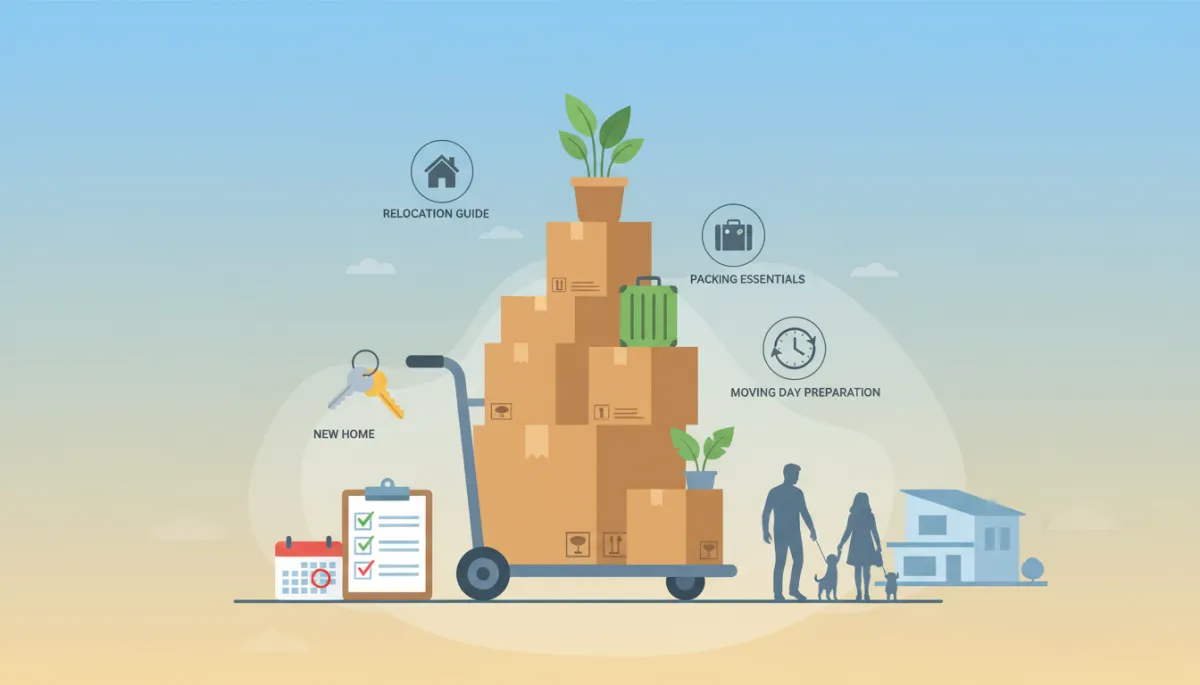
Ultimate Home Moving Checklist for Stress-Free Relocation
Home, Moving Tips, Relocation Guide
The Ultimate Home Moving Checklist for a Stress-Free Move
Moving home doesn’t have to be chaotic. With a clear Home Moving Checklist, the right Packing Essentials, and smart Moving Day Preparation, you can turn a potentially overwhelming experience into a smooth, stress-free move. Use this step-by-step Relocation Guide to stay organised from the moment you decide to move until you’re settled into your new place.
1. Start Your Home Moving Checklist Early
A truly stress-free move begins weeks before Moving Day. The earlier you map out your Home Moving Checklist, the more time you’ll have to make thoughtful decisions instead of last-minute compromises. Aim to start planning at least six to eight weeks before your move, especially if you have a large household or are relocating with children or pets.
Decide on your moving date and confirm time off work if needed.
Research moving companies or van hire options and request quotes early.
Create a digital Relocation Guide (spreadsheet or note) with all key dates, bookings, and to-dos in one place.
💡 Pro Tip: Break your Home Moving Checklist into weekly mini-lists. Smaller, focused tasks are easier to complete and help maintain a sense of progress.
2. Declutter Before You Pack a Single Box
One of the most powerful Moving Tips for a stress-free move is to declutter ruthlessly before you start packing. Every item you move costs time, money, and energy. Use your Relocation Guide to schedule decluttering sessions room by room so you’re not tempted to simply throw everything into boxes at the last minute.
Sort items into four categories: keep, donate, sell, and recycle/bin.
Be honest about what you actually use—if it hasn’t been touched in a year, reconsider keeping it.
Arrange charity collection or trips to donation centres well before Moving Day Preparation ramps up.
📌 Key Takeaway: The less you move, the easier your relocation. Decluttering is free “moving insurance” against stress later.
3. Stock Up on Packing Essentials
Having the right Packing Essentials on hand saves time and protects your belongings. Before you start boxing things up, add these must-haves to your Home Moving Checklist so you’re not running out mid-pack to buy more tape or bubble wrap.
Sturdy cardboard boxes in various sizes or reusable plastic crates.
Packing tape, tape dispenser, and fragile tape for delicate items.
Bubble wrap, packing paper, and soft items (like towels) for cushioning.
Permanent markers and coloured labels for clear box labelling.
Zip-lock bags for screws, small parts, and loose accessories.
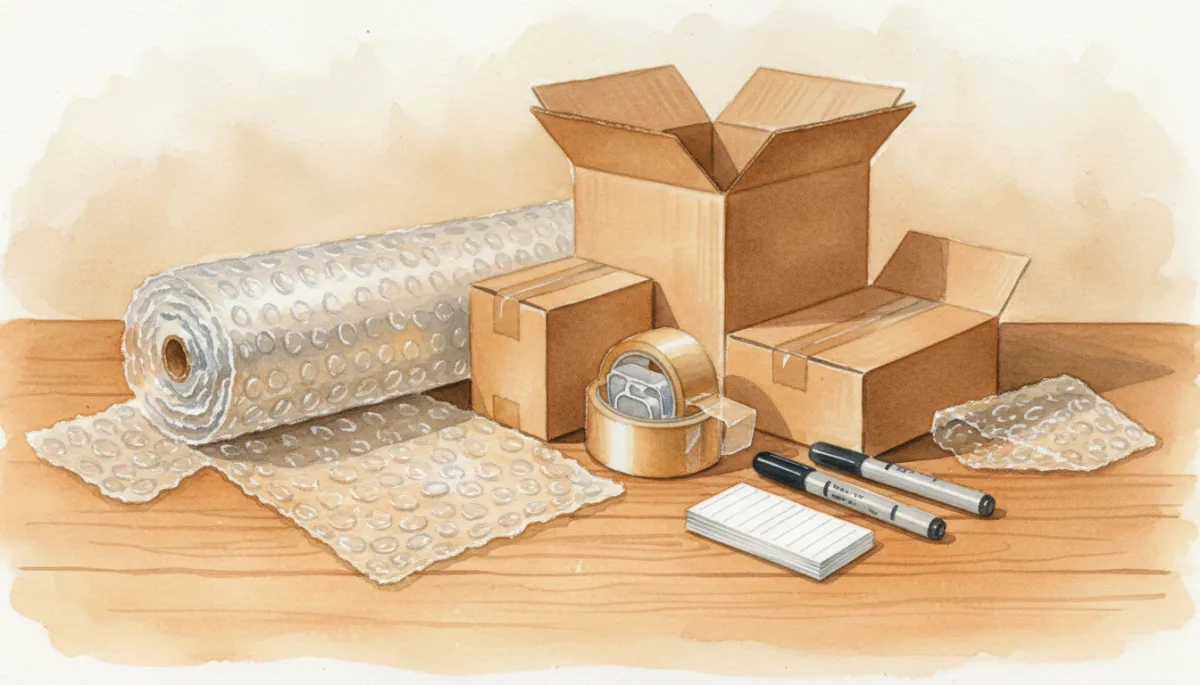
Preparing packing essentials in advance keeps your move organised and protects fragile belongings.
4. Create a Room-by-Room Packing Plan
Instead of tackling your entire home at once, turn your Relocation Guide into a room-by-room strategy. This approach keeps Packing Essentials focused and avoids the feeling that every room is half-done. Begin with spaces you use less frequently—such as guest rooms, storage areas, and seasonal wardrobes—and leave daily necessities until last.
Label clearly. Write the room name and a brief content description on each box (for example, “Kitchen – pans and baking trays”).
Pack by category. Group similar items together to make unpacking faster and more intuitive in your new home.
Keep weight in mind. Place heavier items at the bottom of boxes and fill gaps with lighter, softer pieces to prevent shifting.
💡 Pro Tip: Number each box and keep a simple inventory list. This small step in your Home Moving Checklist pays off when you’re trying to find specific items after the move.
5. Don’t Forget Your Essentials Box
A classic but often overlooked Moving Tip is to prepare an “essentials box” or overnight bag. This is your survival kit for the first 24–48 hours in your new home, when you may be too tired—or too busy—to start serious unpacking. Add this to your Home Moving Checklist under Moving Day Preparation so it doesn’t get forgotten in the rush.
Toiletries, towels, toilet roll, and basic cleaning supplies.
A change of clothes, pyjamas, and bedding for each person.
Kettle, mugs, tea or coffee, snacks, and simple breakfast items.
Phone chargers, important documents, keys, and basic tools (screwdriver, scissors, utility knife).
Keep this box or bag with you in your own vehicle rather than in the moving van. Knowing your essentials are within reach makes a stress-free move far more realistic.
6. Admin and Address Changes: The Overlooked Relocation Guide Step
Packing is only half the story. A complete Relocation Guide also covers the “paperwork” side of moving. Handling your admin in advance prevents missed bills, lost mail, and last-minute panics when you realise a service hasn’t been transferred to your new address.
Notify your bank, employer, and any subscription services of your new address.
Arrange mail redirection with the postal service for at least three to six months after your move.
Take final meter readings for gas, electricity, and water, and photograph them for your records.
Book internet and utility installation at your new home in advance so you’re not left without Wi-Fi or hot water.
7. Moving Day Preparation: Keep Calm and Carry On
Moving Day Preparation is where all your planning comes together. The goal is to make the day itself feel like a series of simple steps rather than a frantic scramble. Add a dedicated Moving Day section to your Home Moving Checklist so you know exactly what needs doing and in what order.
Confirm arrival times with your movers or helpers the day before and share directions and parking details for both properties.
Defrost and clean your fridge-freezer at least 24 hours before moving to avoid leaks and smells in transit.
Keep pets and young children safe and calm—arrange childcare or a quiet room away from the main activity if possible.
Do a final walkthrough of your old home, checking cupboards, lofts, and outdoor spaces for forgotten items.
💡 Pro Tip: Keep a small “Moving Day kit” handy with snacks, water, bin bags, cleaning wipes, and basic tools. It’s one of the simplest Moving Tips yet makes a huge difference when energy dips.
8. First Night in Your New Home: Unpack Smart, Not Fast
After a long day, it’s tempting to start tearing into every box. Instead, lean on your Relocation Guide to prioritise what truly matters for a stress-free move. Focus on comfort and functionality rather than perfection on day one.
Make beds first so everyone has a comfortable place to sleep, even if the rest of the house is still in boxes.
Set up basic kitchen items—kettle, plates, cutlery, and a few pans—so you can prepare simple meals or drinks.
Unpack one or two boxes of familiar items (photos, cushions, throws) to make the space feel like home quickly.
9. Moving Tips to Keep Stress Levels Low
Even with the best Home Moving Checklist, moving can still feel intense. These additional Moving Tips focus on your wellbeing, helping you maintain a calm, clear head throughout the relocation process.
Pace yourself. Schedule regular breaks during packing and on Moving Day. Exhaustion leads to mistakes and frayed tempers.
Ask for help. Friends, family, or professional movers can turn a stressful move into a manageable team effort.
Stay flexible. Even the best Relocation Guide can’t predict everything. Build in extra time and keep a sense of humour for unexpected hiccups.
10. Your Stress-Free Move, Step by Step
A successful, stress-free move isn’t about perfection; it’s about planning. When you combine a detailed Home Moving Checklist, smart Packing Essentials, thoughtful Moving Day Preparation, and practical Moving Tips, you create a clear roadmap from your old front door to your new one. Use this Relocation Guide as a starting point and adapt it to your lifestyle, family size, and distance of your move.
Most importantly, remember that moving home marks the beginning of a new chapter. Give yourself permission to take it one step at a time, celebrate small wins—like finishing a room or finding the kettle—and enjoy turning your new house into a home.