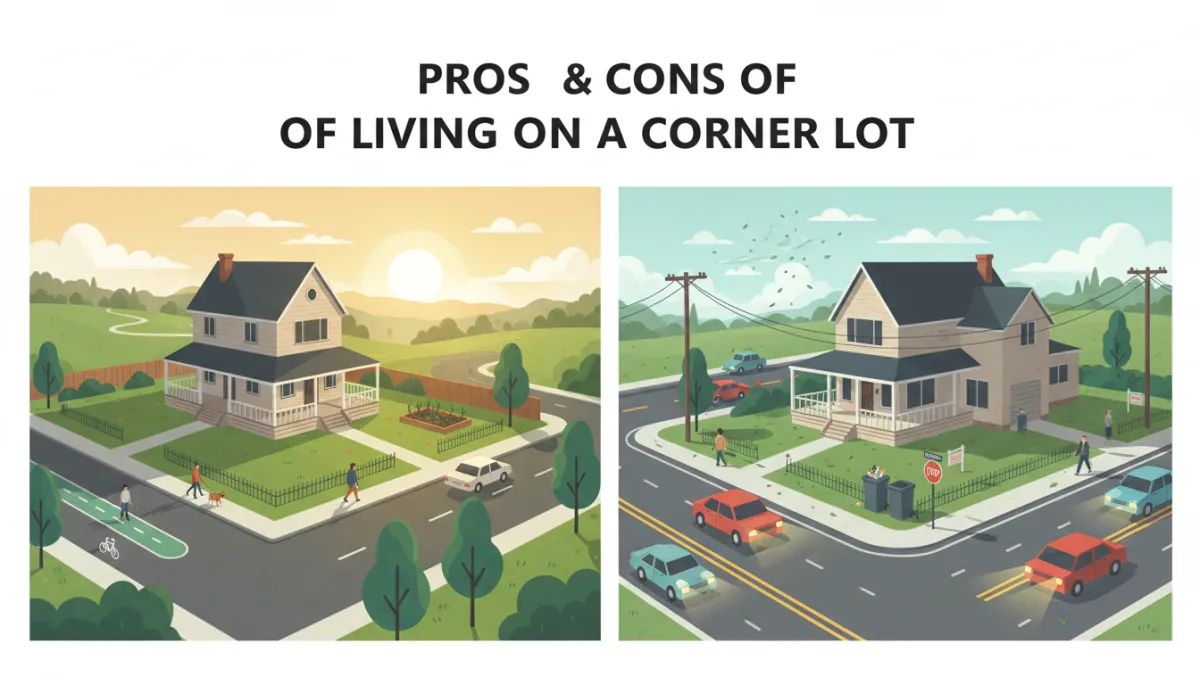
Pros and Cons of Corner Lot Living
Real Estate, Corner Lot Advantages, Corner Lot Disadvantages, Homeowner Tips
The Pros and Cons of Living on a Corner Lot: A Practical Guide for Homeowners
Choosing a home on a corner lot can feel like an attractive upgrade: more space, more visibility, and often a distinctive presence in the neighborhood. Yet, Living On A Corner also comes with unique challenges that can affect your privacy, daily routine, and long-term satisfaction. This guide breaks down Corner Lot Advantages and Corner Lot Disadvantages, explores Neighborhood Dynamics, and offers practical Homeowner Tips to help you decide whether a corner property truly fits your lifestyle and financial goals.
Understanding What Makes a Corner Lot Different
Before exploring the specific Corner Lot Advantages and Corner Lot Disadvantages, it helps to clarify what sets these properties apart. A corner lot is a parcel of land located at the intersection of two streets, typically with frontage on both. This configuration affects everything from how your home is oriented and accessed, to how much exposure you have to vehicles, pedestrians, and neighbors. Because of these differences, Property Value Corner Lot considerations and day-to-day living experiences can diverge significantly from homes located mid-block or on cul-de-sacs.
Corner Lot Advantages: Why Some Buyers Seek Them Out
Many buyers are drawn to corner properties for tangible benefits that can enhance both lifestyle and perceived value. While not every corner home offers all of these benefits, the following Corner Lot Advantages are among the most common reasons individuals seriously consider Living On A Corner.
1. Increased Curb Appeal and Presence
Corner homes often serve as visual anchors in a neighborhood. With two street-facing sides, they naturally stand out and can create a strong first impression. Thoughtful landscaping, attractive fencing, and well-planned exterior lighting can further amplify this presence. For some buyers, the ability to own the “showcase” property on the block is a compelling advantage that influences both pride of ownership and long-term Property Value Corner Lot perceptions.
2. More Light and Potentially Better Ventilation
With fewer neighboring homes directly adjacent on both long sides, corner properties often receive more natural light. Additional windows on the side elevation can brighten interior spaces and improve cross-ventilation. For individuals who prioritize airy, sunlit rooms or home offices, this can be a significant lifestyle advantage. In climates where daylight is limited during certain seasons, the extra exposure may also contribute to comfort and well-being.
3. Flexible Access and Parking Options
Another common Corner Lot Advantage is improved access. Because the property fronts two streets, you may have more flexibility in driveway placement, garage orientation, and guest parking. In some areas, corner lots allow for separate driveways or easier accommodation of recreational vehicles, trailers, or additional cars. This can be particularly beneficial in dense neighborhoods where on-street parking is limited and driveways are highly valued.
4. Potential for Larger or More Usable Yard Space
While not guaranteed, many corner lots are slightly larger or shaped differently than interior lots. This can translate into additional side yard space, room for a patio expansion, or more flexible landscaping options. For homeowners who prioritize outdoor living, gardening, or space for pets and children, this can be a compelling benefit. However, it is important to balance this extra space with the maintenance responsibilities that come with it, a topic we will address later in the Homeowner Tips section.
5. Visibility for Home-Based Businesses or Future Resale
For some owners, especially those operating a discreet home-based business or planning ahead for resale, the high visibility of a corner lot can be advantageous. Signage (where permitted), distinctive architecture, or simply being easier to find can give a property a subtle competitive edge. When buyers search for homes, a memorable corner property can stand out among many similar listings, potentially supporting stronger Property Value Corner Lot perceptions over time, provided other factors such as condition and location are favorable.
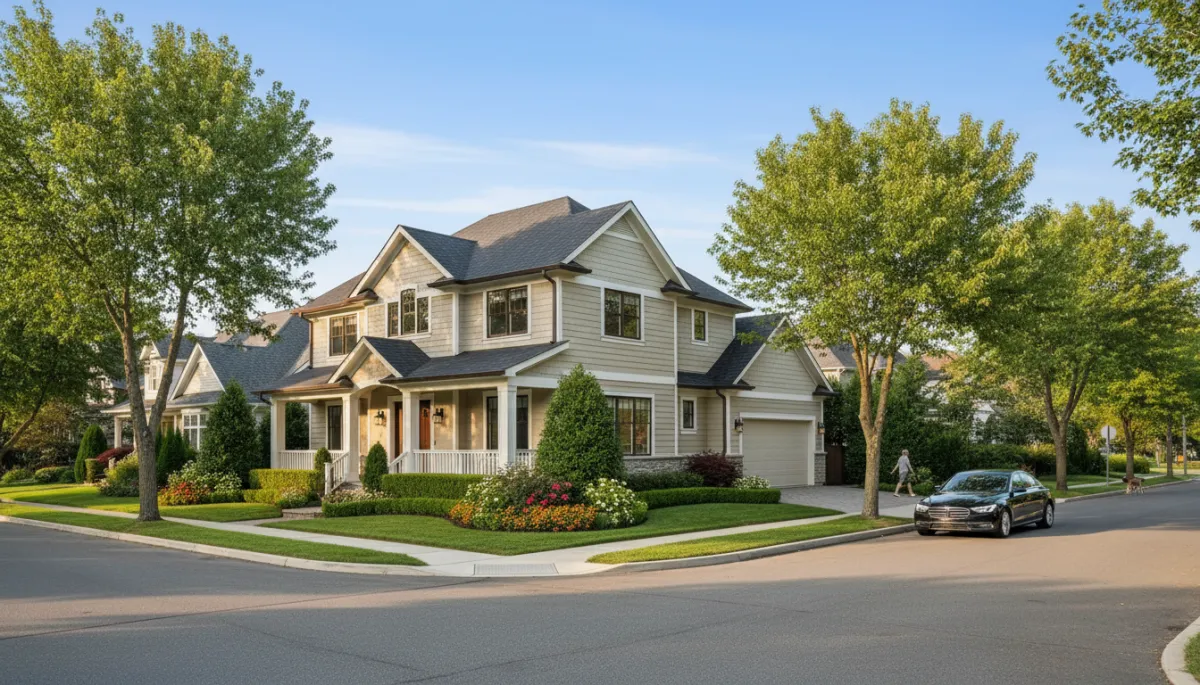
Thoughtful design and landscaping can turn a corner lot into a standout property.
Corner Lot Disadvantages: Trade-Offs You Should Not Ignore
While the upsides are real, there are also notable Corner Lot Disadvantages that can affect comfort, privacy, and ongoing costs. Understanding these drawbacks is essential to making an informed decision about Living On A Corner, especially if you are sensitive to noise, traffic, or maintenance demands.
1. Reduced Privacy and Increased Exposure
One of the most frequently cited Corner Lot Disadvantages is reduced privacy. With two street-facing sides, more of your yard, windows, and daily activities are visible to passersby. Pedestrians, dog walkers, and vehicles turning the corner all contribute to a sense of exposure that some individuals find uncomfortable. High visibility can also make it more challenging to create a secluded outdoor area without strategic fencing, hedging, or privacy screens, which may be subject to local regulations and design guidelines.
2. Higher Noise Levels and Traffic Concerns
Corners naturally concentrate traffic patterns. Even in relatively quiet neighborhoods, you may experience more vehicle noise from acceleration, braking, and turning. If the intersection includes a stop sign, crosswalk, or traffic signal, idling cars, honking, and conversations can add to the soundscape. For families with children or pets, the proximity to two streets may also raise safety concerns, particularly if drivers tend to cut the corner or roll through stop signs. These factors can significantly influence how you feel about Living On A Corner day after day.
3. Larger Maintenance Responsibilities
With more frontage comes more responsibility. Corner lot owners often have longer stretches of sidewalk, curb, and parkway to maintain. In regions with snow, this can mean clearing two sides instead of one. In warmer climates, mowing, edging, and caring for additional landscaping can add hours of work or increased costs if you rely on professional services. These ongoing demands are a practical but sometimes overlooked Corner Lot Disadvantage, particularly for busy professionals or individuals who prefer low-maintenance living.
4. Zoning, Setback, and Design Limitations
Because corner lots are more visible and affect sightlines at intersections, municipalities may impose stricter setback requirements or height limits on fences and structures near the corner. This can restrict where you place sheds, privacy fencing, or even where a future addition could be built. In some areas, you may also be responsible for maintaining visibility triangles for drivers, which can limit tall landscaping at the corner. These constraints can influence both your enjoyment of the property and long-term Property Value Corner Lot considerations if future buyers desire specific improvements you cannot easily make.
5. Mixed Market Perception and Resale Dynamics
Market perception of corner properties is not uniform. Some buyers actively seek them for their presence and space, while others avoid them due to the disadvantages outlined above. As a result, the impact on Property Value Corner Lot can vary by region, neighborhood, and even by individual street. In some markets, corner lots may command a premium; in others, they may sell at a slight discount compared to similar interior lots. Understanding how local buyers view corner homes is crucial when evaluating long-term investment potential.
Living On A Corner: Everyday Realities to Consider
Beyond abstract pros and cons, it is important to imagine the day-to-day experience of Living On A Corner. How you use your home, your schedule, and your tolerance for activity will shape whether a corner property feels energizing or overwhelming. Thinking through real-life scenarios can help you align your decision with your lifestyle.
Morning and evening routines: Are you bothered by headlights sweeping into windows as cars turn the corner at night? Do you value quiet early mornings free from school drop-off traffic or commuter shortcuts?
Outdoor living: Will you frequently use your yard for entertaining, children’s play, or relaxation? If so, how comfortable are you with pedestrians and neighbors regularly passing by two sides of your property?
Security and access: More frontage can mean more points of entry to monitor. At the same time, increased visibility can deter some types of unwanted activity. How do you feel about this trade-off?
Parking patterns: Are you comfortable with neighbors or visitors occasionally parking along the side of your property if local regulations allow it? Does that align with your expectations for privacy and control?
📌 Key Takeaway: Spend time near the intersection at different hours—early mornings, rush hour, evenings, and weekends—before committing to a corner home. Observing real traffic and noise patterns is one of the most reliable ways to gauge whether Living On A Corner suits your daily rhythm.
Neighborhood Dynamics: How Corner Lots Shape Community Interaction
Neighborhood Dynamics can feel different when you live on a corner. Your home may become a reference point—“turn left at the brick house on the corner”—and you may interact with more neighbors simply because of your location. For some individuals, this increased connection is a positive, fostering a greater sense of community. For others, it can feel like an unwanted spotlight.
Corner properties can also influence pedestrian routes. Children walking to school, dog walkers, joggers, and cyclists may naturally pass your home more frequently. During community events or block parties, your yard might be a natural gathering point. Understanding how you feel about being at the center of these Neighborhood Dynamics is an important part of evaluating both Corner Lot Advantages and Corner Lot Disadvantages from a social perspective.
Property Value Corner Lot: Investment and Resale Considerations
From an investment standpoint, the impact of a corner location on property value is nuanced. A corner lot’s value is influenced by local buyer preferences, traffic patterns, school proximity, and how well the property leverages its position through design and maintenance. When evaluating Property Value Corner Lot, consider the following factors:
Comparable sales: Review recent sales of both corner and interior lots in the same neighborhood. Note price differences and how long each property spent on the market.
Condition and presentation: Because corner homes are more visible, buyers may scrutinize exterior maintenance more closely. Well-kept landscaping, clean sidewalks, and thoughtful fencing can support stronger resale appeal.
Future development: Corner lots sometimes offer more flexibility for future additions, accessory dwelling units, or garage reconfiguration, subject to zoning. These possibilities can enhance long-term value if allowed and executed well.
💡 Pro Tip: Consult a local real estate professional or appraiser to understand how corner properties are performing in your specific market. Their insight can clarify whether a particular corner home is likely to command a premium, sell in line with similar properties, or require pricing adjustments to offset perceived drawbacks.
Homeowner Tips for Making the Most of a Corner Lot
If you decide that Living On A Corner aligns with your priorities, thoughtful planning can help you maximize the benefits and minimize the challenges. The following Homeowner Tips focus on design, safety, and daily management strategies tailored specifically to corner properties.
1. Design for Privacy Without Sacrificing Curb Appeal
Use a combination of fencing, hedges, and strategic plantings to create private zones while maintaining an attractive streetscape. Semi-open designs, such as horizontal slat fences or layered landscaping, can soften the boundary between public and private spaces. Position patios, seating areas, and play zones away from the busiest street frontage when possible. This approach preserves the visual advantages of a corner location while addressing one of the key Corner Lot Disadvantages—excessive exposure.
2. Prioritize Safety at the Intersection and Along Sidewalks
Evaluate how vehicles move through the intersection and how children or pets use the yard. Consider installing secure fencing where appropriate, adding motion-activated lighting, and placing reflective house numbers that are visible from both streets. If speeding or rolling stops are a concern, collaborate with neighbors and your local municipality to explore traffic-calming measures or improved signage. Proactive safety planning can significantly improve your day-to-day comfort with Living On A Corner.
3. Plan for Efficient Maintenance
To manage the added responsibilities that often accompany a corner lot, design your landscaping with efficiency in mind. Choose durable, low-maintenance plants for exposed areas, and consider irrigation systems to simplify watering. If snow is a factor, plan clear, logical routes for shoveling or snow blowing along both sides of the property. Budgeting for professional lawn care or seasonal services may also be worthwhile, particularly if your schedule is demanding or you prefer to outsource routine tasks.
4. Use Lighting and Design to Enhance Security and Comfort
Because corner lots are more exposed, thoughtful exterior lighting can enhance both security and ambiance. Use a combination of pathway lights, porch fixtures, and motion-activated lights along the side yard and driveway. Well-lit walkways not only deter unwanted activity but also make it safer for guests approaching from either street. Coordinated fixtures and a neutral color palette can reinforce a cohesive, professional look that supports both personal satisfaction and long-term Property Value Corner Lot appeal.
5. Engage Positively with Neighborhood Dynamics
Embrace the role your property plays in Neighborhood Dynamics. Simple gestures—maintaining a tidy yard, keeping sidewalks clear, and greeting passersby—can set a positive tone and strengthen community relationships. If your corner becomes a natural gathering point, consider how you can shape that experience in ways that respect your boundaries while contributing to a welcoming environment. Clear communication with neighbors about parking expectations or shared concerns can help prevent misunderstandings and ensure that Living On A Corner feels like an asset rather than a burden.
Weighing the Decision: Is a Corner Lot Right for You?
Choosing whether to purchase a corner property is ultimately a personal decision that blends lifestyle preferences, financial objectives, and tolerance for activity. Corner Lot Advantages such as enhanced curb appeal, flexible access, and potentially better light can be highly attractive. At the same time, Corner Lot Disadvantages—including increased noise, reduced privacy, and higher maintenance—are real considerations that should not be minimized.
By carefully evaluating how you live today and how you expect your needs to evolve, you can determine whether Living On A Corner aligns with your long-term goals. Factor in Neighborhood Dynamics, local market behavior, and specific Property Value Corner Lot trends in your area. When combined with strategic planning and the Homeowner Tips outlined above, a corner lot can become a rewarding place to live—one that balances visibility and privacy, activity and retreat, in a way that suits you and your household.
Ultimately, the best choice is the one that reflects a clear-eyed understanding of both the benefits and the trade-offs. Approach the decision with the same professionalism you would apply to any major investment: gather information, observe the property at different times of day, consult local experts, and be honest about your preferences. With this level of preparation, you will be well-positioned to decide whether a corner lot is a smart, satisfying next step in your homeownership journey.