Natural Light & Home Orientation Tips for Buyers
Real Estate, Natural Light, Home Orientation
What Buyers Should Know About Natural Light, Windows, and Home Orientation
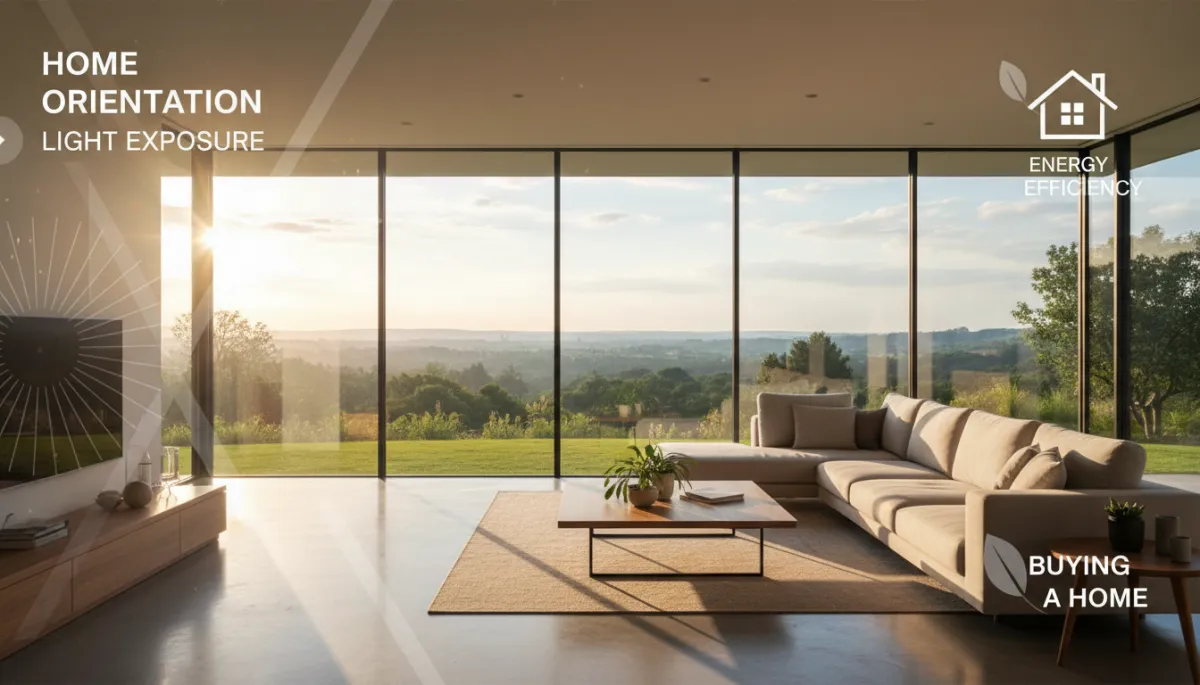
Natural light is one of the first things people notice when walking into a property, yet it’s also one of the most misunderstood. When you’re buying a home, understanding how home orientation, window placement, and light exposure work together can help you choose a space that feels brighter, more comfortable, and more energy efficient all year round.
Why Natural Light Should Be On Your Non‑Negotiable List
Natural light does much more than make a room look pretty in listing photos. It affects your mood, your daily routines, and even your long‑term health. Studies consistently show that good daylight exposure can improve sleep patterns, productivity, and overall well‑being. On a more practical level, bright spaces simply feel larger, cleaner, and more welcoming than dim ones of the same size.
When you’re buying a home, it’s easy to be distracted by finishes and décor, but paint colors can be changed. The amount and quality of natural light is tied to the building’s orientation and structure, which are far harder and more expensive to alter. That’s why smart buyers look beyond aesthetics and pay close attention to where the light comes from, how it moves through the day, and which rooms benefit the most from it.
Understanding Home Orientation: How Your House Faces the Sun
Home orientation refers to the direction your home faces in relation to the sun’s path. This has a huge impact on light exposure and energy efficiency. While the exact experience varies slightly by region, the sun generally rises in the east and sets in the west, moving across the southern sky in the northern hemisphere and the northern sky in the southern hemisphere. That path determines which rooms get morning sun, which get afternoon heat, and which stay relatively cool and shaded.
East‑facing orientation: Great for early risers who love gentle morning light in bedrooms and kitchens. Spaces warm up early but avoid the harshest afternoon heat.
West‑facing orientation: Often delivers dramatic sunsets and strong afternoon sun. Without shading, these rooms can overheat in summer and create glare in the late day.
South‑facing (north‑facing in southern hemisphere): Typically offers the most consistent light exposure throughout the day, ideal for main living areas and home offices that benefit from steady brightness.
North‑facing (south‑facing in southern hemisphere): Tends to receive cooler, softer light. These rooms can feel dim or cold in winter if windows are small or shaded, but they’re comfortable in hot climates.
When touring a property, ask your agent which direction the front, back, and main living spaces face. If possible, visit at different times of day to see how the orientation affects real‑world light levels rather than relying on listing photos taken at the brightest moment.
Window Placement: Where Glass Matters More Than How Much
Many buyers assume that more windows automatically mean better natural light. In reality, window placement is just as important as window quantity. A home with fewer, well‑positioned windows can feel brighter and more comfortable than one with lots of poorly placed openings that create glare and heat without truly brightening the space you use most.
Prioritize windows in living areas: Look for generous windows in living rooms, dining spaces, and kitchens where you spend most of your day. These are the rooms where natural light has the biggest impact on how you feel at home.
Balance privacy and light in bedrooms: Bedrooms benefit from softer light and privacy. Higher‑set windows, corner windows, or a mix of small and medium openings can provide light exposure without feeling like you’re on display.
Don’t forget hallways and stairwells: Skylights, transom windows above doors, or slim vertical windows can turn dark circulation spaces into pleasant, safe areas while reducing the need for daytime artificial lighting.
Also look at what the windows face. A large window that looks directly into a neighboring wall won’t bring in as much usable light as one facing an open garden or courtyard. Trees, overhangs, and nearby buildings can all change how much daylight actually enters the room, regardless of the window size.
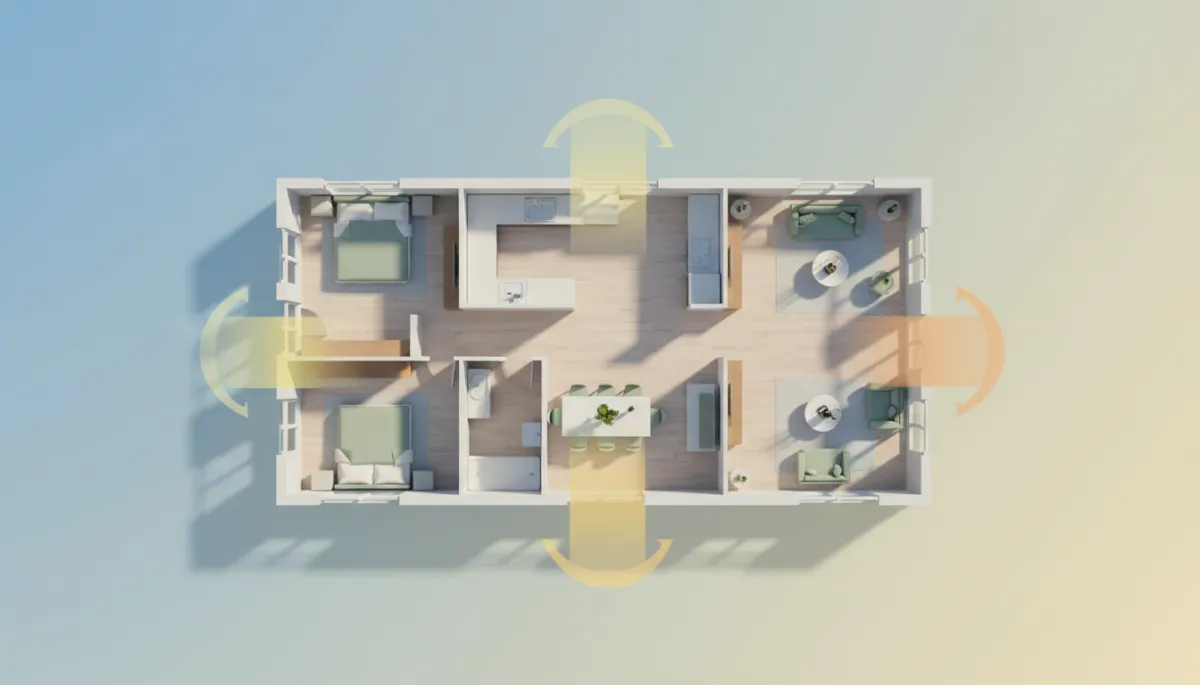
Thoughtful window placement can brighten key rooms while limiting heat and glare.
Light Exposure Through the Day and Across Seasons
Light exposure isn’t static; it shifts as the sun moves and as seasons change. A home that feels perfectly bright on a spring morning might be uncomfortably hot on a summer afternoon or a bit gloomy on winter evenings. When you’re buying a home, try to imagine (or, ideally, observe) how each room behaves over a full day and through the year.
Morning: East‑facing rooms receive cool, gentle light. These are ideal for bedrooms, breakfast nooks, and home offices where you want to start the day energized but not overheated.
Midday: Depending on your region, south‑facing (or north‑facing in the southern hemisphere) spaces can be bright and warm. This is great in colder climates, but you may need shading or blinds in warmer areas to prevent overheating.
Afternoon and evening: West‑facing rooms can experience intense late‑day sun, which may cause glare on screens and make spaces uncomfortably hot if insulation or shading is poor.
Seasonal changes also matter. In winter, the sun sits lower in the sky, allowing well‑oriented windows to pull in welcome warmth. In summer, higher sun angles can be blocked more easily with roof overhangs, awnings, or exterior shades. When evaluating a property, look for design details such as eaves, pergolas, or deciduous trees that provide shade in hot months while letting light through in colder ones.
Natural Light and Energy Efficiency: Comfort That Saves Money
Natural light isn’t just about aesthetics; it’s a major factor in a home’s energy efficiency. A well‑oriented house with smart window placement can reduce the need for artificial lighting, heating, and cooling, lowering your utility bills and environmental footprint over time. When buying a home, it’s worth thinking about how daylight and design can work together to keep you comfortable at a lower cost.
Passive solar gain: In cooler climates, larger windows on the sun‑facing side of the home can capture free heat in winter, especially when paired with good insulation and high‑performance glazing.
Reduced artificial lighting: Bright, well‑daylit interiors mean you can keep lights off for more hours each day. Over a year, this can noticeably reduce electricity use, particularly in spaces like kitchens and home offices.
Better temperature control: Thoughtful shading on west‑ and east‑facing windows, plus modern double or triple glazing, helps limit unwanted heat gain in summer, reducing reliance on air conditioning.
💡 Pro Tip: When reviewing a home’s energy efficiency, look at both the orientation and the window specifications. Energy‑efficient glass, quality frames, and well‑sealed openings help you enjoy natural light without drafts or excessive heat loss.
Practical Tips for Evaluating Light When Buying a Home
When you’re in the thick of buying a home, it’s easy to rush through showings. Taking a few deliberate steps to assess natural light, home orientation, and window placement will help you make a more informed decision and avoid surprises after you move in.
Check the compass: Use a smartphone compass app to confirm which direction the main living areas face. This simple step instantly clarifies how light exposure will feel in daily life.
Visit at different times: If possible, tour the property in the morning and again later in the day. Notice any rooms that feel gloomy, overly bright, or uncomfortably warm.
Look beyond curtains and lamps: Sellers may use lamps, mirrors, and sheer curtains to enhance light. Try switching off artificial lights and opening blinds to see the true daylight conditions.
Note potential improvements: Some light issues are easy to fix with lighter paint, reflective surfaces, or a strategically placed mirror. Others, like adding large windows or altering orientation, can be costly. Factor this into your budget and expectations.
Balancing Wish List, Budget, and Reality
Not every property will offer perfect natural light in every room, and that’s okay. The goal when buying a home is to understand what you’re getting and how it will feel to live there day after day. Decide which spaces matter most to you: Do you want a sun‑drenched kitchen for morning coffee, or a cool, shaded bedroom for sleeping in? Are you willing to invest in upgrades like new windows, skylights, or exterior shading if the orientation is right but the current window placement isn’t ideal?
By paying attention to home orientation, window placement, and light exposure, you’ll be better equipped to judge how a property will function in real life, not just in photos. You’ll also gain a clearer sense of its long‑term energy efficiency and any potential renovation costs required to get the light levels you want.
The Bottom Line: Let Light Guide Your Home‑Buying Decision
When you’re buying a home, it’s tempting to focus on square footage, finishes, and location alone. Yet natural light quietly shapes how you experience every room, every day. A thoughtful combination of favorable home orientation, smart window placement, and balanced light exposure can make a modest property feel uplifting and spacious, while poor design can leave even a large home feeling dim and closed in.
As you evaluate potential homes, let daylight be one of your key decision‑making tools. Ask how the sun moves across the property, where the brightest and darkest rooms are, and how the design supports both comfort and energy efficiency. With this perspective, you’ll be far more likely to choose a home that not only looks good on paper, but also feels good to live in, from the first light of morning to the last glow of evening.