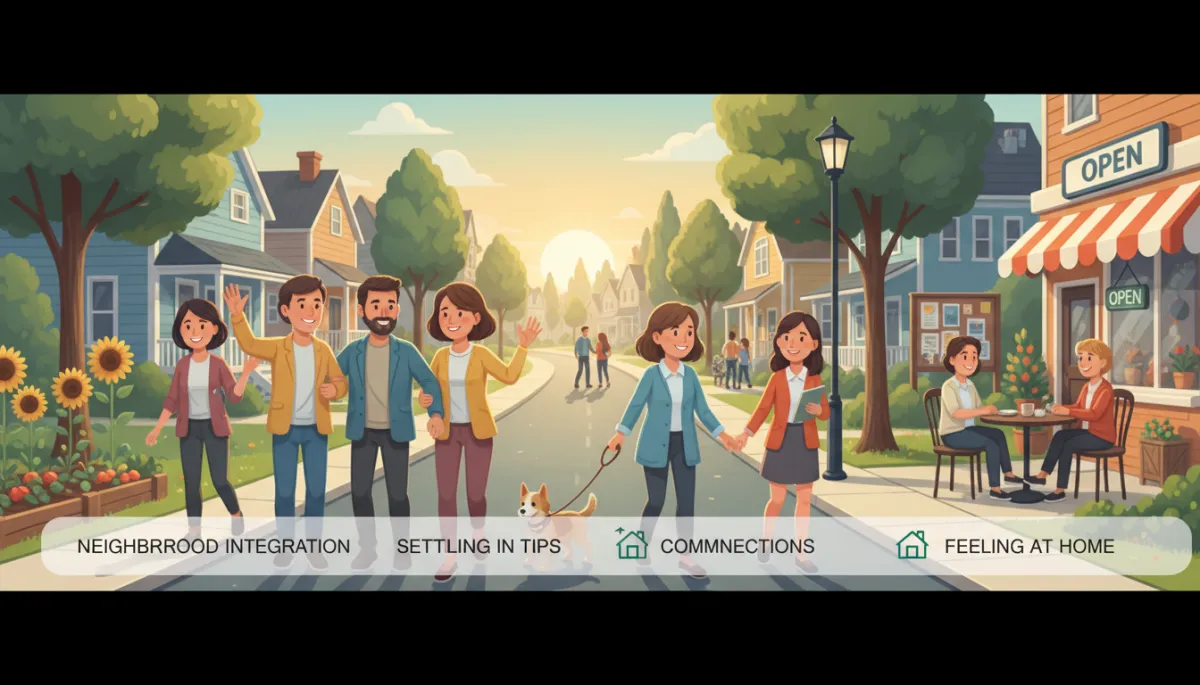
Make Your New Neighborhood Feel Like Home
Moving, Neighborhood Integration, Settling In Tips
How to Make Your New Neighborhood Feel Like Home After Moving
Moving into a new place is a big milestone, but it can also feel a little disorienting at first. The good news is that with some simple, intentional steps, you can turn unfamiliar streets into favorite routes and new faces into friendly neighbors. These practical, friendly tips will help you build community connections, speed up your new home adjustment, and truly start feeling at home in your new neighborhood.
Start with Your Space: Laying the Foundation for Feeling at Home
Before you dive into neighborhood integration, focus on making your home feel like a cozy landing pad. When your space feels comfortable, it’s easier to explore what’s outside your front door with confidence and calm. Think of it as building a base camp before heading out on an adventure.
Unpack the essentials first: bedding, towels, favorite mugs, and a few personal items like photos or artwork. These familiar touches speed up your new home adjustment.
Create one “finished” corner, even if the rest is still in boxes. A cozy chair, lamp, and blanket can become your go-to spot when you need a breather.
Keep a simple routine—morning coffee by a window, evening walk, or journaling before bed. Routine is a powerful tool for feeling at home faster.
💡 Friendly Tip: Light a candle or use the same room spray you loved in your old place. Familiar scents can instantly make a new space feel more like “you.”
Explore on Foot: Local Exploration That Builds Comfort and Curiosity
One of the best settling in tips is to simply get outside and walk. Local exploration helps you map out your new surroundings while also making the area feel more familiar and less intimidating. The more you see, the more your brain starts to say, “I know this place.”
Take a slow walk around the block each day for the first week. Notice landmarks like distinctive houses, parks, and street art that can help you orient yourself.
Look for practical spots: the nearest grocery store, pharmacy, coffee shop, and gas station. Knowing where to go for everyday needs is a huge part of feeling at home.
Try different routes. Walk one way in the morning and another in the evening. You’ll quickly build a mental map of your new neighborhood.
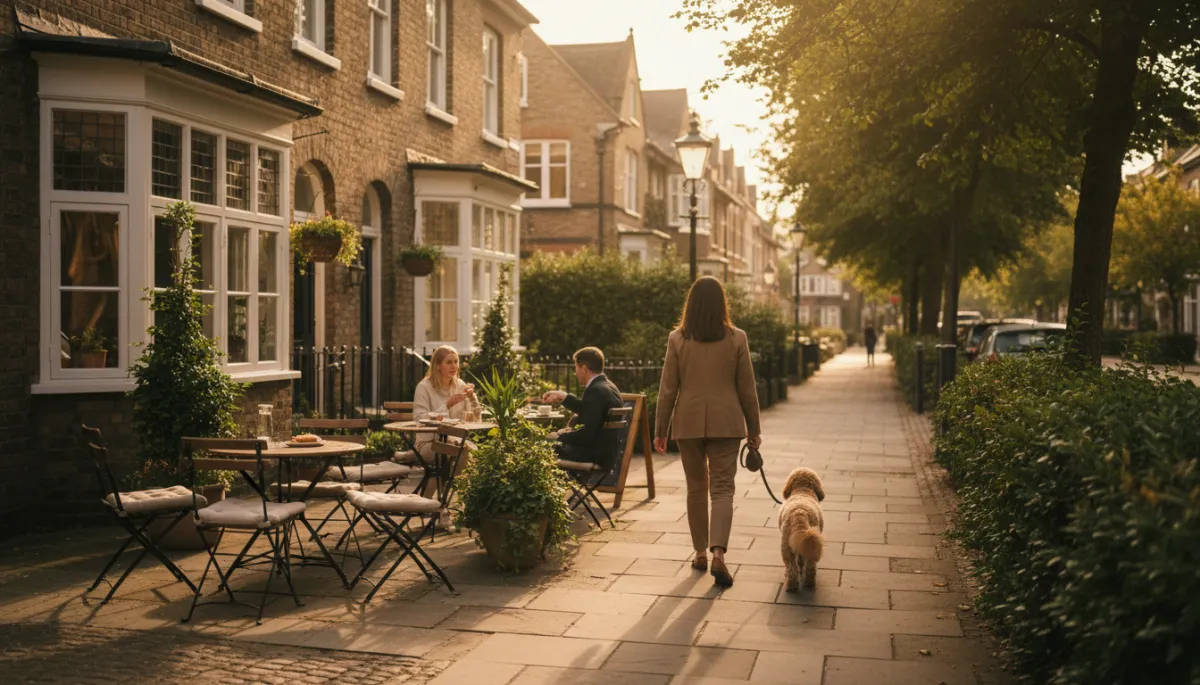
Regular neighborhood walks turn unfamiliar streets into comfortable daily routines.
Practice Friendly Neighborhood Integration: Small Gestures, Big Impact
Neighborhood integration doesn’t have to mean throwing a huge block party (unless you want to!). Often, it’s the small, consistent gestures that help you blend into the rhythm of local life and start building community connections.
Say hello when you pass people on the sidewalk. A simple smile and greeting can open the door to future conversations.
Introduce yourself to neighbors you share a fence, hallway, or parking area with. You don’t need a script—something like, “Hi, I’m Alex, I just moved into number 12,” works perfectly.
Ask simple, friendly questions: “How long have you lived here?” or “Is there a local spot you’d recommend for takeout?” People usually enjoy sharing their favorites.
💡 Friendly Tip: If you’re shy, start with a wave or a quick “Good morning.” Over time, these tiny interactions build familiarity—and that’s the heart of neighborhood integration.
Build Community Connections: Finding “Your People” Nearby
One of the biggest factors in feeling at home is knowing you’re not alone. Strong community connections can turn a new city—or even a new country—into a place where you truly belong. The key is to put yourself in situations where you’re likely to meet people with similar interests or routines.
Check out local groups and events: community centers, libraries, and coffee shops often have bulletin boards with clubs, classes, and meetups. This is a great settling in tip if you’re new to town.
Join online neighborhood spaces like local Facebook groups, Nextdoor, or community association pages. They’re helpful for everything from finding a good plumber to discovering neighborhood traditions.
Look for regular gatherings: a weekly farmers’ market, a running group, or a trivia night at the local bar. Showing up consistently helps faces become familiar, which naturally leads to conversations.
“Community isn’t built in a day—it’s built in the small, repeated moments when you choose to show up.”
Create New Rituals: Routines That Anchor Your New Home Adjustment
Your old neighborhood probably had its own rituals—maybe a Sunday stroll, a favorite takeout night, or chats with a neighbor over the fence. You can ’t copy those moments exactly, but you can create new ones that support your new home adjustment and give your days a comforting rhythm.
Choose a “regular” spot: a coffee shop where you become a familiar face, a park bench where you read, or a trail you walk every Saturday morning. Over time, these places start to feel like an extension of home.
Celebrate small milestones: your first package delivered successfully, your first neighborly chat, or the first time you give someone else directions in your new area. These are all signs that you’re settling in.
Invite people into your space, even casually. Hosting a simple coffee, game night, or backyard hangout can deepen community connections and reinforce that this is truly your home now.
💡 Friendly Tip: If hosting feels overwhelming, start small—invite just one neighbor over for a quick cup of coffee or iced tea.
Get Involved Locally: From Helping Hands to Lasting Belonging
If you really want to deepen your neighborhood integration and start feeling at home, look for ways to contribute, not just consume. When you give your time, skills, or support, you stop feeling like a visitor and start feeling like a neighbor.
Volunteer at a local school, shelter, or community clean-up day. Shared projects are a natural way to meet people and feel part of something bigger than your own four walls.
Support local businesses. Chat with the barista, learn the name of the person at the corner store, or leave a kind review online. These small gestures reinforce your role in the local ecosystem.
Attend neighborhood meetings if there’s a homeowners association, tenant’s group, or community council. You don’t have to speak up right away—just being present helps you understand how your new area works.
Be Patient with Yourself: Emotional Side of Settling In
Even with all the best settling in tips, there may still be moments when you miss your old routines or feel a little out of place. That’s completely normal. New home adjustment is as much emotional as it is practical, and it rarely happens overnight.
Give yourself a timeline. Many people find it takes three to six months before they truly start feeling at home in a new neighborhood. If it feels slow, that doesn’t mean you’re doing anything wrong.
Stay connected to your old life while you build a new one. Regular calls, texts, or video chats with friends and family can ease the transition and give you a safe place to share your feelings.
Notice the wins, even the tiny ones: the first time someone recognizes you at the café, the first neighbor who remembers your name, or the first time you walk home without needing a map.
Bringing It All Together: Turning a New Place into Your Place
Making a new neighborhood feel like home is really about layering small, consistent actions over time. You start with your own space, then widen the circle through local exploration, friendly greetings, and community connections. You build routines, show up for local events, and slowly shift from “the new person on the block” to “one of the neighbors.”
Along the way, remember that neighborhood integration isn’t about changing who you are—it’s about bringing your unique personality, interests, and kindness into a new setting. Your presence, your smile, and your willingness to connect all help shape the character of the place you’ve moved to.
So take your time, be gentle with yourself, and keep saying yes to small opportunities to connect. With each walk, each conversation, and each new ritual, you’re not just adjusting to a new address—you’re actively creating a neighborhood that truly feels like home.