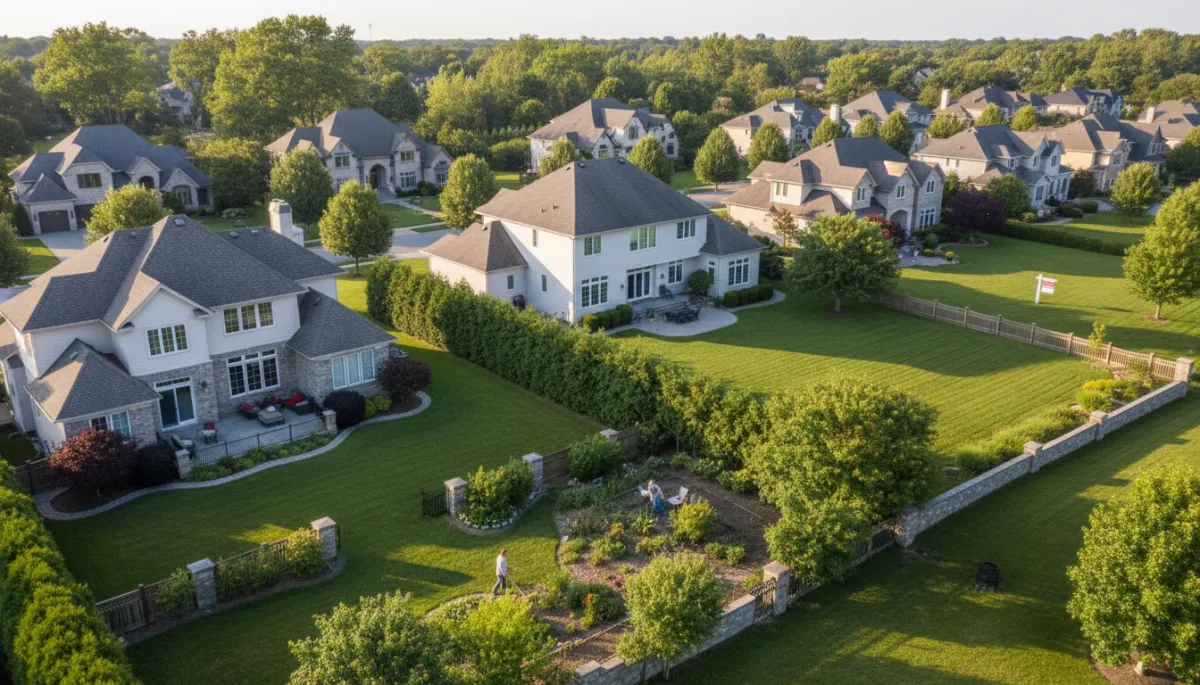
Impact of Lot Sizes on Privacy and Resale Value
Real Estate, Neighborhood Privacy, Lot Sizes, Resale Value
How Neighborhood Lot Sizes Shape Privacy, Landscaping, and Resale Value
When you picture your ideal home, you may think about the kitchen, the number of bedrooms, or the style of the exterior. Yet one factor quietly influences your daily comfort, your landscaping options, and even your long-term financial return: the size of your lot and how it fits within your neighborhood. Understanding how neighborhood lot sizes affect Neighborhood Privacy, design choices, and Resale Value can help you make a smarter decision as a buyer, seller, or long-term homeowner.
Why Lot Size Matters More Than Many Homeowners Realize
Lot size is more than a number in a listing. It defines your Property Boundaries, influences how close your neighbors are, and sets the stage for everything you can or cannot do outdoors. In modern Homeowner Trends, outdoor space has become almost as important as indoor square footage. Buyers increasingly ask about room for gardens, pets, outdoor kitchens, and quiet areas to unwind. All of these preferences are shaped by the dimensions and layout of the lot beneath the home.
At the same time, many people underestimate how neighborhood context affects lot size. A quarter-acre lot in a community where most homes sit on half-acre parcels feels very different from the same quarter-acre in a higher-density subdivision. To fully understand the impact of lot size, you need to consider both your individual property and the pattern of lots surrounding it. This broader perspective is especially important when you evaluate Neighborhood Privacy, plan your yard, or think ahead to eventual resale.
📌 Key Takeaway: Lot size is not just about square feet or acres; it is about how your space relates to your neighbors, your outdoor plans, and your long-term financial goals.
Neighborhood Lot Sizes and Everyday Privacy
Neighborhood Privacy is one of the most immediate ways lot size affects your quality of life. Larger lots typically allow for greater distance between homes, more mature trees, and flexible placement of outdoor living spaces. Smaller lots, especially in communities designed for walkability and density, may place windows, patios, and driveways much closer together, increasing the chance of sightlines into your home or backyard.
On larger lots, you are more likely to enjoy side yards, deeper backyards, and space to offset your home from the street, all of which can reduce noise and visual intrusion from neighbors and passing traffic.
On smaller lots, homes are often closer to the front sidewalk and to each other. While this can foster a stronger sense of community, it can also bring more shared noise, more frequent interactions, and fewer places to retreat in complete privacy.
The orientation of homes within their lots also matters. A small lot with a thoughtful layout, well-positioned windows, and strategic fencing can feel more private than a larger lot with clear views into neighboring yards. As you evaluate properties, pay attention not only to the lot size but also to how that lot interacts with adjacent homes, streets, and community spaces.
💡 Pro Tip: When touring a home, step into the backyard, side yard, and front porch. Listen for noise, look at neighboring windows, and imagine typical daily activities. This will give you a realistic sense of how lot size and layout affect your privacy.
Property Boundaries, Setbacks, and Local Rules
Lot size is closely linked to your Property Boundaries and the rules that govern how you can use your outdoor space. Municipal zoning codes and homeowners association (HOA) guidelines often specify building setbacks, fence heights, and allowable structures based on lot dimensions. On smaller lots, these restrictions can significantly limit what you can add or modify, from sheds and pools to accessory dwelling units and expanded patios.
Before purchasing, it is wise to review surveys, plat maps, and local regulations so you understand exactly where your boundaries lie and what they allow. A lot that appears generous may have easements for utilities or drainage that reduce the usable area. Conversely, a modest lot with favorable setbacks and few easements might offer more functional outdoor space than its measurements suggest. Clarity about boundaries and limitations helps you plan realistic projects and avoid disputes with neighbors later on.
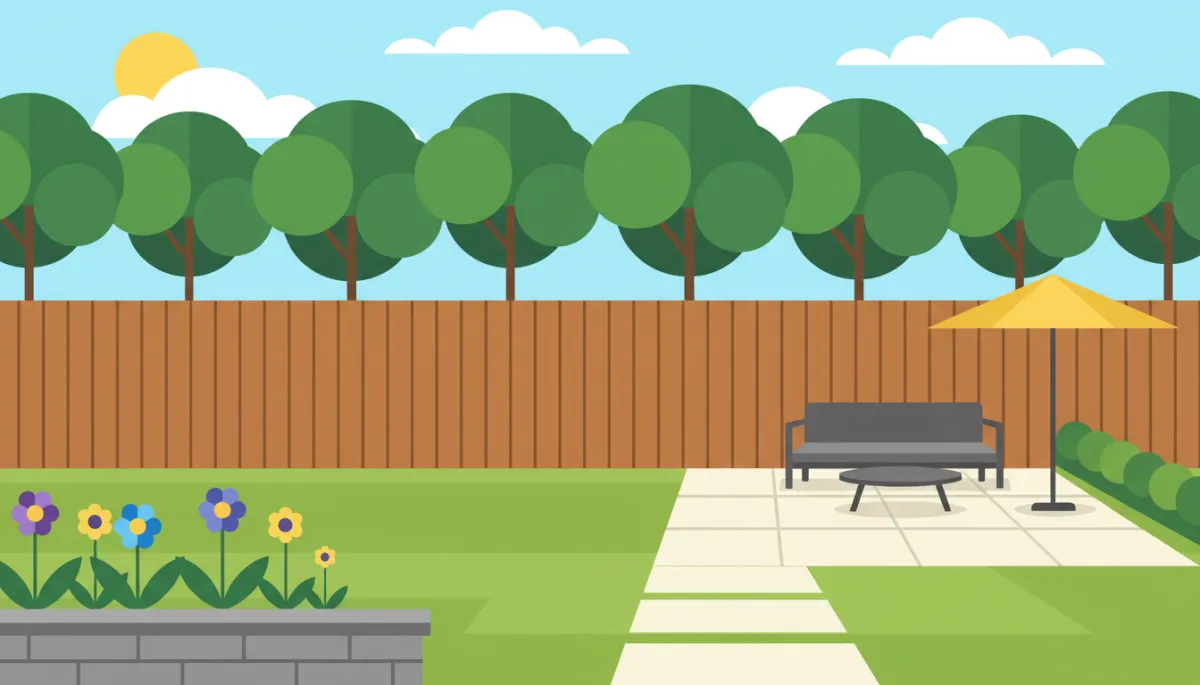
Clear property boundaries and thoughtful landscaping can enhance privacy even on modestly sized lots.
Landscaping Tips for Different Lot Sizes
Once you understand your lot size and boundaries, you can tailor your outdoor design accordingly. Smart Landscaping Tips can maximize privacy, create functional zones, and visually expand or soften your yard, regardless of its dimensions. The key is to work with your lot size instead of against it, choosing plants, hardscapes, and layouts that complement the scale of your property and the character of your neighborhood.
Landscaping Strategies for Smaller Lots
On smaller lots, the goal is often to create a sense of refuge without making the space feel cramped. Vertical design becomes especially valuable. Tall, narrow trees, trellises with climbing vines, and privacy screens can block unwanted views while preserving usable ground area. Container gardens, raised beds, and built-in seating can also help you define outdoor “rooms” without overwhelming the yard.
Use layered planting—groundcovers, shrubs, and small trees—to soften fences and create depth.
Choose multi-functional features, such as benches with storage or planters that double as privacy barriers.
Opt for subtle screening rather than solid walls when possible, to maintain light and airflow while improving privacy.
Thoughtful landscaping on a compact lot can actually enhance Neighborhood Privacy by directing sightlines upward or inward instead of toward neighboring windows and patios. These approaches align with current Homeowner Trends, where outdoor spaces are increasingly designed as extensions of indoor living areas, even when square footage is limited.
Landscaping Strategies for Larger Lots
Larger lots provide more freedom but also require more planning and maintenance. Without a clear design, they can feel open yet undefined. Instead of trying to landscape every square foot, focus on creating purposeful zones: a dining area, a play space, a vegetable garden, or a quiet seating nook. Use trees, hedges, and pathways to connect these areas while preserving an overall sense of spaciousness.
Consider wider buffer zones along your Property Boundaries with trees or shrubs to enhance privacy and reduce noise from nearby streets or neighbors.
Use curved pathways and varied plant heights to create visual interest and a sense of discovery across the property.
Balance open lawn areas with more naturalized plantings to reduce maintenance and support local ecosystems.
Larger lots also offer opportunities for features that can significantly influence Resale Value, such as pools, detached garages, guest houses, or outdoor kitchens. However, each addition should be evaluated against neighborhood norms. Overbuilding relative to surrounding homes may not yield the return you expect when it comes time to sell.
How Lot Size Influences Resale Value and Buyer Appeal
From a financial perspective, lot size is a key component of Resale Value. All else being equal, larger lots generally command higher prices, particularly in areas where land is scarce or where buyers place a premium on space and privacy. However, “all else” is rarely equal. The relationship between lot size and value depends heavily on location, neighborhood expectations, and how well the lot’s potential has been realized through landscaping and outdoor amenities.
In established neighborhoods, there is often an informal standard for what is considered a “typical” lot. Homes on significantly larger lots may attract buyers seeking more privacy or expansion potential, but they may also come with higher property taxes and maintenance obligations. On the other hand, homes on noticeably smaller lots might appeal to buyers who prefer lower upkeep and a more urban feel, even if they sell at a discount compared with larger neighboring properties.
📌 Key Takeaway: The most valuable lot is not always the largest; it is the one whose size, layout, and improvements align best with what buyers in that specific neighborhood are seeking.
Lot Size and Emerging Homeowner Trends
Homeowner Trends have shifted in recent years, especially as more people work from home and spend greater time on their properties. Outdoor living spaces, gardens, and flexible yards for pets and children have become highly desirable. In many markets, buyers now scrutinize lot size and outdoor functionality as closely as floor plans and interior finishes. A well-designed yard that suits modern lifestyles can boost Resale Value even on a smaller lot, while a large but underutilized yard may not deliver its full potential return.
Sustainability is also influencing preferences. Some buyers favor moderate lot sizes that offer room for outdoor enjoyment without the water use and maintenance required by expansive lawns. Others look for lots that can accommodate solar orientation, rain gardens, or native plantings. These priorities shape how buyers perceive the value of different lot sizes and how they evaluate Landscaping Tips and upgrades when comparing homes.
Balancing Privacy, Landscaping, and Resale in Your Decision
When you are choosing a home, it can be helpful to think about lot size in terms of trade-offs rather than absolutes. A larger lot may offer better Neighborhood Privacy and more room for ambitious landscaping, but it will also require more time, money, and resources to maintain. A smaller lot might limit certain outdoor projects yet provide a more manageable, low-maintenance lifestyle that many buyers appreciate, especially in dense or walkable communities.
Clarify your priorities. Decide how important privacy, outdoor entertaining, gardening, and potential expansions are to you today—and how that might change over the next five to ten years.
Study the neighborhood pattern. Look at how your target home’s lot compares with others nearby. Being in line with neighborhood norms often supports stronger Resale Value than being an extreme outlier on either end of the spectrum.
Evaluate current and potential landscaping. Consider whether existing outdoor features enhance privacy and enjoyment or whether relatively modest investments could significantly improve the lot for you and for future buyers.
By thinking through these factors, you can select a property that aligns with your lifestyle while positioning yourself favorably for eventual resale. Remember that buyers are not only comparing interior finishes; increasingly, they are comparing how each property feels as a complete indoor-outdoor living environment.
Practical Steps for Current and Future Homeowners
Whether you already own your home or are preparing to buy, there are specific steps you can take to make the most of your lot size in relation to privacy, landscaping, and Resale Value. These actions help you adapt to evolving Homeowner Trends while ensuring that your outdoor space remains both enjoyable and marketable.
Document your Property Boundaries. Keep surveys, improvement plans, and permits in an organized file. Buyers appreciate clarity, and this documentation can streamline future transactions.
Invest in strategic privacy features. Well-placed fencing, hedging, and screens can significantly improve Neighborhood Privacy without overwhelming your yard or violating local regulations.
Align landscaping with neighborhood expectations. While you should design a yard you enjoy, maintaining a broadly appealing style and scale will help protect your resale prospects.
Over time, relatively modest, thoughtful upgrades—such as adding shade trees, improving outdoor lighting, or creating a simple patio—can meaningfully enhance both daily enjoyment and market appeal. The key is to keep your lot size, neighborhood context, and long-term goals in mind as you plan each project.
Conclusion: Start with the Lot, Not Just the House
When evaluating a home, it is easy to focus on finishes, floor plans, and staging. Yet the land beneath the structure quietly shapes your experience every day. Neighborhood lot sizes influence how private you feel in your own backyard, what kind of landscaping is practical, and how future buyers will perceive your property’s value. By paying close attention to Property Boundaries, community patterns, and current Homeowner Trends, you can make more informed decisions that balance personal enjoyment with long-term financial considerations.
Whether your ideal home sits on a compact urban lot or a sprawling suburban parcel, the most important step is to recognize the opportunities and limitations that lot size presents. With the right Landscaping Tips and a clear understanding of how Neighborhood Privacy and Resale Value are connected to your outdoor space, you can turn any lot into a property that serves you well today and appeals strongly to buyers in the future.