Homebuyer Tips for Older Neighborhoods in Thousand Oaks
Thousand Oaks, Real Estate, Older Neighborhoods, Homebuyer Tips
What Homebuyers Should Know About Older Neighborhoods in Thousand Oaks
Thinking about buying a home in Thousand Oaks and feeling drawn to its charming, older neighborhoods? You’re not alone. Many buyers love the character, mature trees, and established community feel that only time can create. But purchasing in an older area comes with its own set of questions and considerations. This guide walks you through what to look for, what to ask, and how to decide whether an older Thousand Oaks neighborhood is the right fit for you.
Why Thousand Oaks’ Older Neighborhoods Appeal to Today’s Buyers
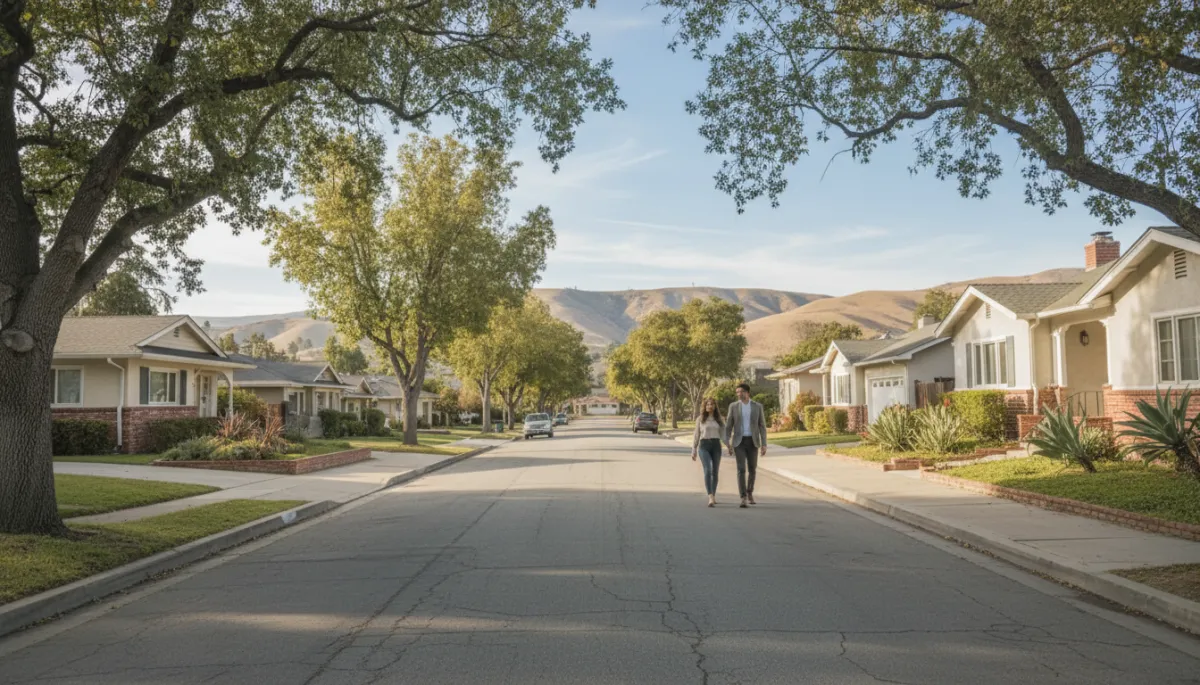
Thousand Oaks is known for its safety, great schools, and proximity to both the coast and Los Angeles. But beyond the headlines, its older neighborhoods offer something you can’t build overnight: a genuine sense of place. Many of these communities were developed in the 1960s, 70s, and 80s, when larger lots, wider streets, and generous setbacks were more common. The result is a relaxed, suburban feel that still puts you close to shopping, parks, and major freeways.
If you’re comparing real estate options in Thousand Oaks, it’s worth understanding how these older neighborhoods differ from newer developments. You’ll often find more architectural variety, mature landscaping, and neighbors who have lived on the same street for decades. For many homebuyers, that mix of stability and character is exactly what they’re looking for in a long-term home.
Community Features You’ll Find in Established Areas
One of the biggest draws of older neighborhoods in Thousand Oaks is their community features. Because these areas have been around for a while, everyday amenities are usually already in place and well tested by time. As you explore, pay attention to how the neighborhood feels during different times of day and how easily you can reach the places you’ll use most often.
Parks and open space: Thousand Oaks is famous for its greenbelts and hiking trails. Older neighborhoods are often close to long-established parks, community centers, and open-space preserves that residents have enjoyed for years.
Schools and youth programs: Many older communities are served by schools that have strong reputations and active parent groups. Even if you don’t have children, good schools can support property values over time.
Local shopping and dining: From neighborhood centers with grocery stores and coffee shops to nearby regional malls, established neighborhoods tend to have convenient everyday services within a short drive, and sometimes within walking distance.
Community traditions: Longtime residents often organize block parties, holiday decorations, and neighborhood watch programs. These small traditions can make it easier to feel at home quickly.
💡 Friendly Tip: When you tour a home, take a few extra minutes to drive or walk around the surrounding streets. Look for people out walking dogs, kids playing, and neighbors chatting—those are signs of a connected community.
How Older Homes Affect Property Values in Thousand Oaks
When you’re evaluating real estate, it’s natural to wonder how the age of a property will influence its value—both today and in the future. In Thousand Oaks, older neighborhoods don’t automatically mean lower prices. In many cases, they hold their value extremely well because they offer features that are hard to replicate: larger lots, mature landscaping, and central locations close to established amenities.
That said, property values in older areas can vary more from house to house. Two homes on the same street might look similar from the curb, but one could have a fully updated kitchen and newer roof while the other hasn’t been touched in decades. As a homebuyer, this creates both opportunity and responsibility. You may be able to purchase a home at a better price if it needs cosmetic updates—but you’ll want to be sure you understand any major repairs hiding beneath the surface.
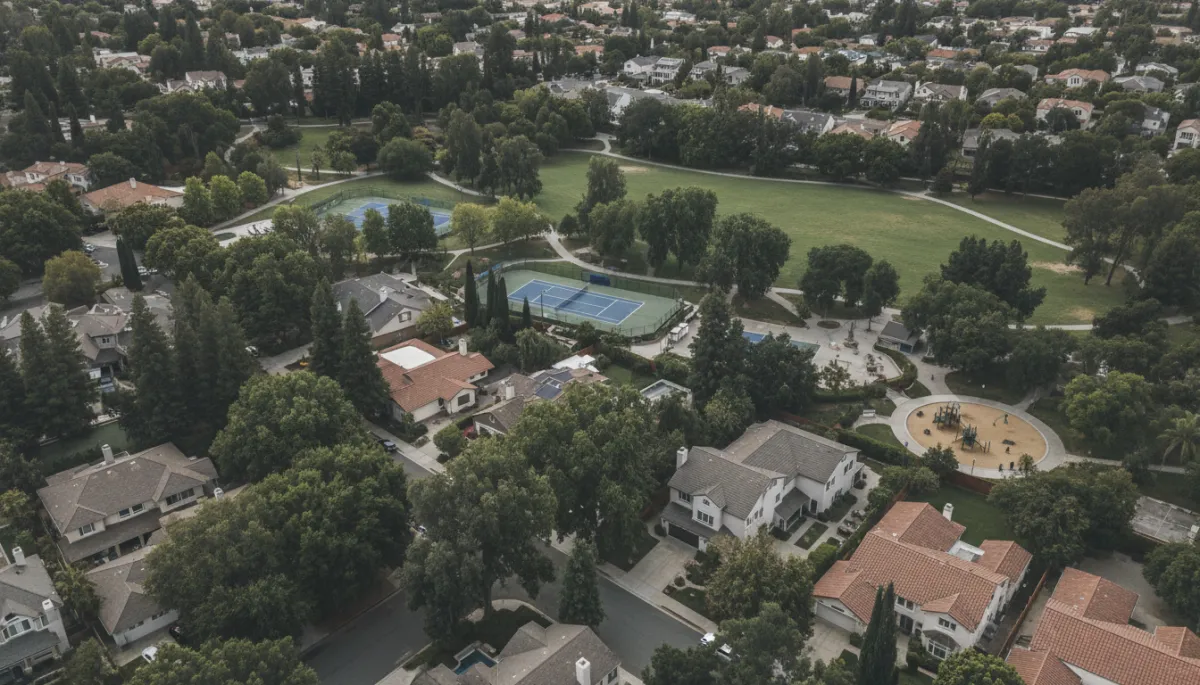
Established neighborhoods often balance long-term stability with room for thoughtful updates.
Over the long term, well-maintained older neighborhoods in Thousand Oaks have shown strong resilience. Their central locations and community features tend to keep demand steady. Homes that blend classic charm with smart updates—think modern systems and refreshed interiors—often appeal to a wide range of buyers when it’s time to sell, which can support healthy resale values.
Key Homebuyer Tips for Evaluating Older Properties
Buying in an older neighborhood calls for a slightly different lens than purchasing new construction. Here are practical homebuyer tips to help you evaluate individual homes while keeping the big picture in mind.
1. Look Beyond Cosmetic Details
It’s easy to be distracted by dated wallpaper or an older countertop, but those are relatively simple fixes compared to structural or system issues. Focus first on the fundamentals: the roof, foundation, plumbing, electrical, and HVAC. A home with “good bones” in a desirable Thousand Oaks neighborhood can be a smart investment, even if the finishes are a little behind the times.
2. Prioritize a Thorough Home Inspection
In any real estate purchase, an inspection is important, but in older neighborhoods it’s absolutely essential. Ask your agent to recommend inspectors who have experience with homes from the era you’re considering. They’ll know what to look for—such as older electrical panels, galvanized plumbing, or original windows that may be drafty or difficult to operate.
💡 Friendly Tip: Attend the inspection in person if you can. Walking through the home with the inspector gives you a chance to ask questions and understand which issues are urgent and which can be addressed over time.
3. Understand Typical Maintenance and Upgrade Costs
Older homes can come with higher ongoing maintenance needs, but not all repairs are deal-breakers. It helps to go in with a realistic sense of what certain projects might cost. For example, replacing an aging roof or updating an electrical panel is a larger investment than painting or swapping out flooring. As you compare homes in different Thousand Oaks neighborhoods, factor in both the purchase price and the likely cost of bringing the property up to your standards.
4. Check Permit History and Past Renovations
Many homes in older neighborhoods have been remodeled or expanded over the years. Some updates are beautifully done; others may have been completed without permits or professional oversight. Ask your agent to help you research permit history through the city, and don’t hesitate to ask the seller for documentation on major work. Knowing what’s been done—and how—can protect you from surprises and give you confidence in the home’s condition.
5. Consider Your Timeline and Lifestyle
Think about how much time and energy you want to invest in your new home. If you love DIY projects and have flexibility, a “cosmetic fixer” in a great Thousand Oaks neighborhood could be a rewarding way to build equity. If you prefer a move-in-ready lifestyle, focus your search on older homes that have already been thoughtfully updated, even if they come with a higher price tag.
Balancing Charm and Modern Convenience
One of the joys of buying in an older Thousand Oaks neighborhood is the chance to enjoy classic features that aren’t always found in newer construction. You might find original hardwood floors, brick fireplaces, built-in shelving, or unique architectural details that give your home personality. At the same time, modern conveniences—like updated kitchens, energy-efficient windows, and smart-home systems—can make daily life easier and more comfortable.
As you tour homes, imagine how you’d blend old and new. Maybe that original fireplace becomes the cozy centerpiece of your living room, while a refreshed kitchen brings in the functionality you need. Many buyers find that older homes offer a flexible canvas: you can preserve the character you love while making thoughtful updates over time that fit your taste and budget.
Neighborhood-Level Questions to Ask Your Agent
A good local real estate agent is an invaluable resource when you’re exploring older neighborhoods in Thousand Oaks. Beyond what you can see on a quick drive-through, they can share insights on trends, community features, and property values. Here are some helpful questions to ask as you narrow down your options:
How have prices in this neighborhood changed over the past few years?
Are most homes owner-occupied, or are there many rentals?
What kinds of updates are typical for homes in this area?
Are there any planned developments, road projects, or zoning changes nearby?
How long do homes typically stay on the market in this neighborhood?
The answers to these questions can help you understand not just an individual property, but the broader health and future of the community you’re considering. In real estate, the neighborhood is often just as important as the house itself—sometimes even more so.
Lifestyle Benefits of Established Thousand Oaks Communities
Beyond numbers and inspections, it’s worth thinking about how life will feel in an older neighborhood day to day. Many buyers appreciate the slower pace and familiar rhythms that come with long-established streets. You might see the same neighbors walking their dogs every morning, or notice that the local park hosts regular pickup games and weekend birthday parties.
Thousand Oaks’ older neighborhoods often offer:
Walkable routes for evening strolls or morning jogs under mature trees.
Quiet streets set back from major roads, with less through traffic.
Established social networks where neighbors look out for one another and share recommendations for local services and events.
💡 Friendly Tip: Visit at different times—weekday mornings, weekend afternoons, and evenings. You’ll get a more complete picture of noise levels, parking, and how people use the neighborhood.
Making a Confident Decision in an Older Thousand Oaks Neighborhood
Choosing a home is both a practical and emotional decision. Older neighborhoods in Thousand Oaks can offer a special blend of comfort, character, and community, but they do ask buyers to be thoughtful. By paying attention to community features, understanding how property values behave in established areas, and using smart homebuyer tips, you can move forward with confidence instead of uncertainty.
As you explore your options, keep circling back to a few key questions:
Does this neighborhood support the lifestyle I want in the next five to ten years?
Am I comfortable with the level of maintenance and upgrades this home may need?
How does this property compare to others nearby in terms of condition, price, and potential?
If the answers line up with your goals, an older home in Thousand Oaks could be a wonderful place to put down roots. With the right information and a supportive real estate team, you can enjoy the best of both worlds: the warmth and personality of an established neighborhood, paired with smart updates that make the home truly yours.
Whether you’re a first-time buyer or making a move within the area, take your time exploring, ask plenty of questions, and trust your instincts. Thousand Oaks offers a wide range of older neighborhoods, each with its own story and style. With a bit of patience and preparation, you’re likely to find a home that feels just right—for today, and for many years to come.