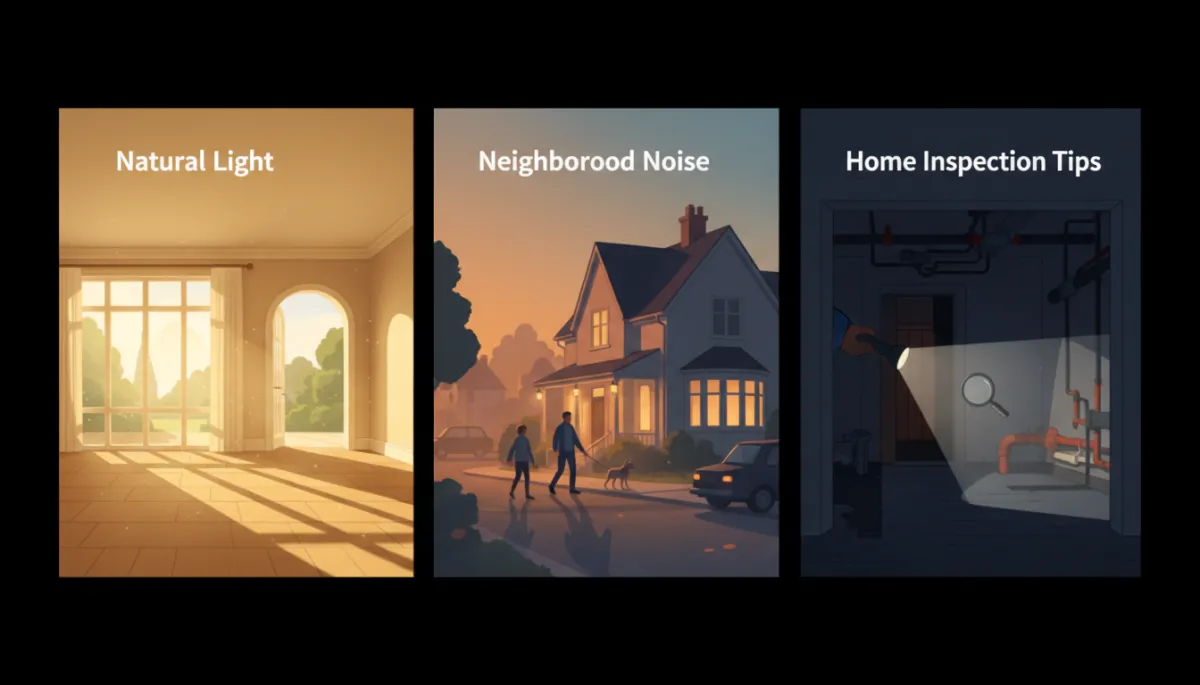
Home Touring Tips: What to Look for at Different Times
Home Touring, Buying a Home, Home Inspection Tips
What to Look for When Touring a Home at Different Times of Day
Touring a home once is rarely enough to understand how it truly lives. The way a property feels at 9 a.m. can be completely different at 6 p.m. If you want to make a confident decision, plan your home touring schedule so you see the property at different times of day and know exactly what to look for during each visit.
Why Time of Day Matters in Home Touring
Many buyers focus on square footage and finishes, but overlook how the home behaves throughout the day. Natural light, neighborhood noise, traffic patterns, and even smells can vary dramatically between morning, afternoon, and evening. When you schedule multiple home tours at different times, you move beyond first impressions and get a realistic sense of daily life in the space.
Think of each visit as a layer of insight: the morning reveals light and routine, midday highlights heat and activity, and evening exposes noise, safety, and parking. Combining these observations with smart home inspection tips helps you spot both hidden strengths and potential deal-breakers before you commit.
The Best Time to Visit: Plan More Than One Tour
There is no single “best time to visit” a property. Instead, aim for at least two home touring appointments: one during daylight hours and one closer to the evening. If possible, add a quick drive-by at night to check the street, lighting, and parking without even going inside. Each time window reveals different aspects of the home and neighborhood that are easy to miss in a single mid-day showing.
💡 Pro Tip: When scheduling, tell your agent you want to see how the property looks in both bright daylight and after work hours. This simple request can significantly improve the quality of your decision.
Morning Tours: Natural Light, Orientation, and Daily Routines
Morning is often the best time to evaluate natural light and the home’s orientation. If you love bright, sunny mornings, you will want to see how the living areas and bedrooms feel when the sun is low in the sky. Open blinds and curtains wherever possible and pay attention to which rooms receive direct sunlight and which stay dim or shadowed, even on a clear day.
Notice whether you need to turn on lights in the kitchen or living room to feel comfortable in the morning. If you do, you may rely heavily on artificial lighting, which can affect both mood and energy costs.
Check for glare on potential work-from-home spaces. A beautiful east-facing window can be lovely until it blinds you at 8 a.m. when you are on video calls.
Morning is also a good time to sense early neighborhood noise. Listen for school traffic, delivery trucks, or nearby construction. If the home is near a school, you may notice busy drop-off patterns that could affect how easily you leave for work. These practical details are just as important as stylish finishes when considering long-term comfort.
Midday Tours: Heat, Activity, and Outdoor Spaces
A midday visit gives you a chance to evaluate how the home performs at peak sunlight and possibly peak heat. This is especially important if you live in a warm climate or if the property has large windows, skylights, or a lot of glass doors. Pay attention to whether some rooms feel stuffy or significantly warmer than others, which can hint at insulation or HVAC issues.
Stand near large windows and sliding doors. Do you feel heat radiating in, or drafts of cold air? These subtle sensations can translate into future energy bills.
Step outside to assess patios, balconies, and yards. Is there shade where you would want to sit? Does the yard feel inviting at midday, or is it too exposed and hot?
Midday is also ideal for observing property features that might be harder to see in softer light: rooflines, siding condition, cracks in driveways, and grading around the foundation. While you are not conducting a formal inspection, these casual checks can guide later conversations with a professional and support more informed home inspection tips from your agent or inspector.
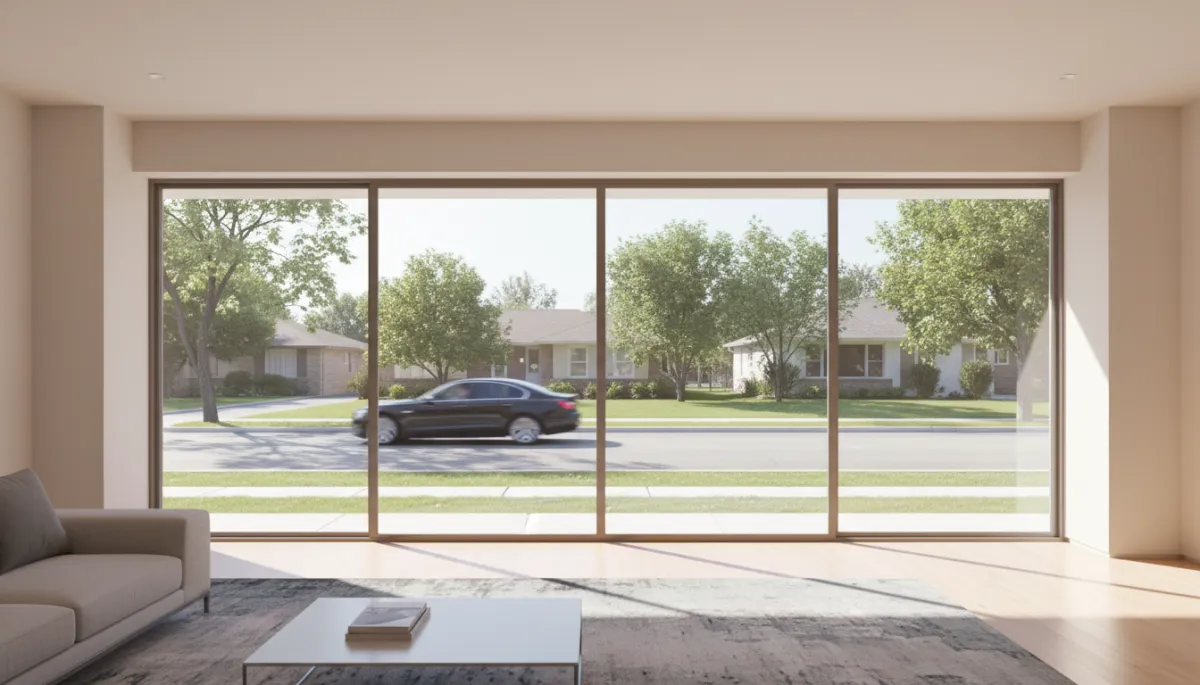
Seeing the home at midday reveals true light levels, street activity, and exterior details.
Evening Tours: Neighborhood Noise, Lighting, and Safety
For many buyers, evening is the most revealing time to tour a home. This is when most neighbors are home, commuters return, and local businesses may be busier. If you want to understand neighborhood noise realistically, schedule at least one visit during typical after-work hours or just after sunset.
Step outside and simply listen. Do you hear loud music, barking dogs, or constant traffic? A little activity is normal, but nonstop noise may wear on you over time.
Look at street and yard lighting. Are walkways well lit? Would you feel comfortable walking from your car to the front door at night?
Inside the home, evening is the best moment to evaluate artificial lighting. Turn on all fixtures and note whether the light feels warm and inviting or harsh and dim. Picture yourself cooking dinner, relaxing in the living room, or helping with homework at the kitchen table. If the lighting feels inadequate now, you will likely want to budget for additional fixtures or upgrades after moving in.
Key Property Features to Check at Every Visit
No matter what time of day you tour, there are several core property features you should consistently evaluate. Looking at these repeatedly in different light and conditions helps you catch issues you might miss in a single walk-through.
Windows and doors: Check for condensation, difficulty opening, or gaps that let in drafts or noise. Observe how they look in both bright light and at night with interior lights on.
Floors and ceilings: In strong daylight, hairline cracks and stains may be easier to spot. In softer light, you may notice uneven floors or squeaks as you walk.
Storage and layout: Revisit closets, pantries, and hallways with a fresh eye. Ask yourself whether the layout supports your real daily routines at different times of day, from early mornings to late evenings.
Also pay attention to smells and air quality. A faint musty odor in the morning might become more noticeable as the house warms up, indicating possible moisture issues. Repeated exposure during multiple home touring appointments helps you distinguish between a temporary scent, like last night’s dinner, and a persistent problem.
Practical Home Inspection Tips for Everyday Buyers
A professional inspection is essential, but you do not have to wait for that step to start noticing potential concerns. Use your different-time-of-day visits to gather information you can later share with your inspector. These simple home inspection tips are easy for any buyer to use:
Bring a notepad or phone checklist. Jot down anything that catches your eye: cracked tiles, water stains, doors that do not close smoothly, or rooms that feel unusually hot or cold at certain times.
Test basic systems. Turn faucets on and off, flush toilets, and briefly run the shower. Listen for rattling pipes or slow drainage. Do this on more than one visit to see if performance is consistent.
Check outlets and switches. In the evening, when lights are already on, it is easier to see which switches control which fixtures and whether any bulbs flicker or fail to turn on.
Use your observations to ask targeted questions: Has the seller noticed any afternoon overheating upstairs? When was the last time windows were replaced? Has the neighborhood experienced flooding during heavy rain? These questions, combined with your inspector’s report, create a fuller picture of the home’s condition and long-term livability.
Putting It All Together: A Smart Home Touring Strategy
When you are serious about a property, treat your home touring plan like a mini research project. Start with an initial visit at a convenient time, then schedule follow-up tours to fill in the gaps: one in the morning for natural light and routines, one at midday for heat and exterior property features, and one in the evening for neighborhood noise, lighting, and safety. If you cannot secure three full tours, supplement with quick drive-bys at different times of day to observe traffic and activity levels.
Throughout the process, keep your lifestyle front and center. Imagine waking up, working, relaxing, entertaining, and sleeping in the home. The best time to visit is ultimately the time that mirrors how you will actually live there. By combining thoughtful scheduling with simple home inspection tips, you transform each showing from a quick walk-through into a meaningful test drive of your potential new home.
Buying a home is one of the biggest decisions you will make. Seeing the property in different light, listening to the neighborhood at various times, and revisiting key property features more than once gives you the confidence that what you love on day one will still feel right months and years down the road. In a competitive market, many buyers rush—but the ones who slow down, plan their tours, and observe carefully are often the ones who end up the happiest with where they live.