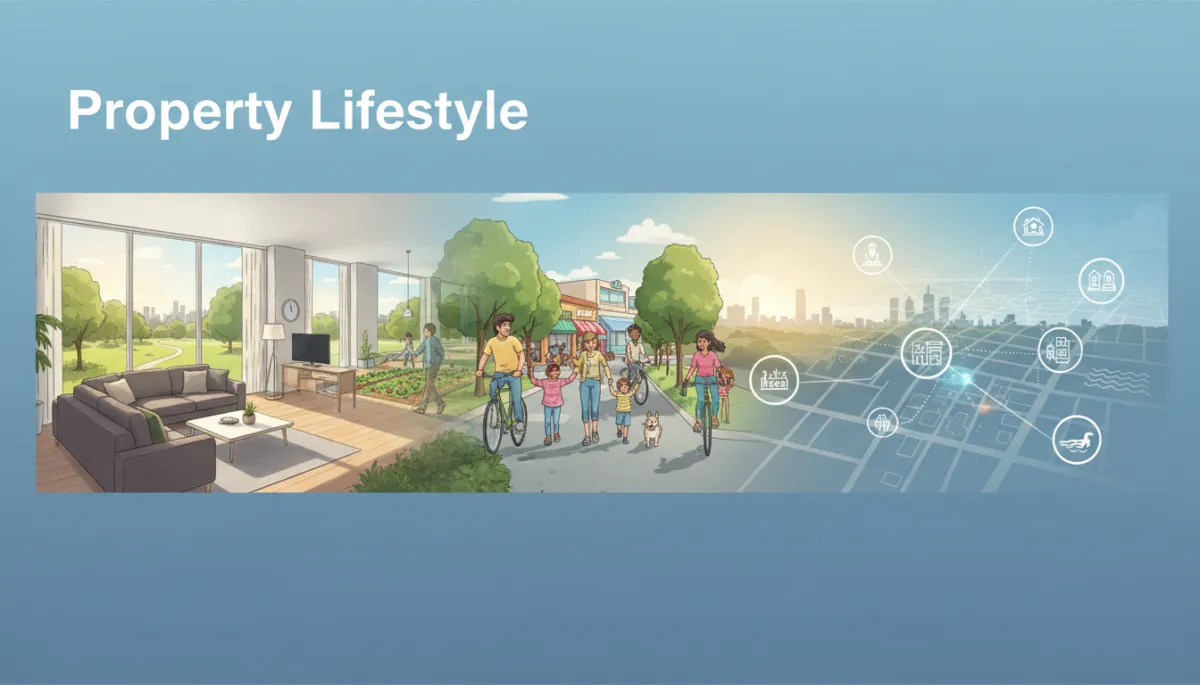
Evaluate Property Lifestyle Beyond the House
Real Estate, Property Lifestyle, Home Buying
Beyond the House: How to Evaluate the Lifestyle a Property Offers
A property is more than walls and square footage. It’s the daily rhythm, conveniences, and community that shape your life long after the closing date. Learning how to evaluate the lifestyle a property offers can turn a good purchase into a truly great one.
From Property to Property Lifestyle
When buyers talk about their “dream home,” they rarely mean just the building. They’re imagining mornings at the local café, evening walks on quiet streets, quick commutes, safe parks, and a sense of belonging. This bigger picture is your Property Lifestyle — the way a home, its surroundings, and its community support how you actually live day to day.
A thorough Real Estate Evaluation should therefore go beyond price, size, and finishes. It must ask: How will this property feel at 7 a.m. on a Monday? On a rainy Sunday afternoon? During school holidays? The answers reveal whether the home aligns with your current and future Homeowner Lifestyle.
Step One: Define Your Ideal Homeowner Lifestyle
Before you can judge whether a property’s lifestyle is right, you need clarity on your own priorities. Start with a short self-assessment. Ask yourself:
How important is walkability — do you want cafés, gyms, or grocery stores within a short walk?
Do you value quiet, low-traffic streets more than being in the heart of the action?
How long of a commute is acceptable, realistically, five days a week or with hybrid work?
Are schools, parks, and kid-friendly activities a top priority now or in the near future?
Do you need easy access to nightlife, culture, or dining for your social life?
💡 Pro Tip: Rank your top five lifestyle needs in order of importance. Use this list as a filter for every property you view.
Neighborhood Analysis: Reading the Area Like a Local
A smart Neighborhood Analysis is at the heart of any lifestyle-focused Real Estate Evaluation. Online maps and listing photos only tell part of the story. To understand how a place truly lives, you need to experience it from multiple angles and at different times of day.
Visit at different times: Drive or walk the area in the early morning, after work, and on weekends. Note traffic, noise levels, parking, and how many people are out and about.
Observe upkeep and pride of ownership: Well-maintained lawns, clean sidewalks, and cared-for buildings suggest an engaged community and can support stronger Property Value Factors over time.
Talk to residents: A brief chat with someone walking a dog or working in their yard can reveal insights about safety, community events, and any issues you won’t see in a listing.
Supplement your in-person impressions with data. Look up crime statistics, school ratings, planned infrastructure projects, and public transport expansion. These details shape both daily life and long-term Property Value Factors, such as appreciation potential and buyer demand when you eventually sell.
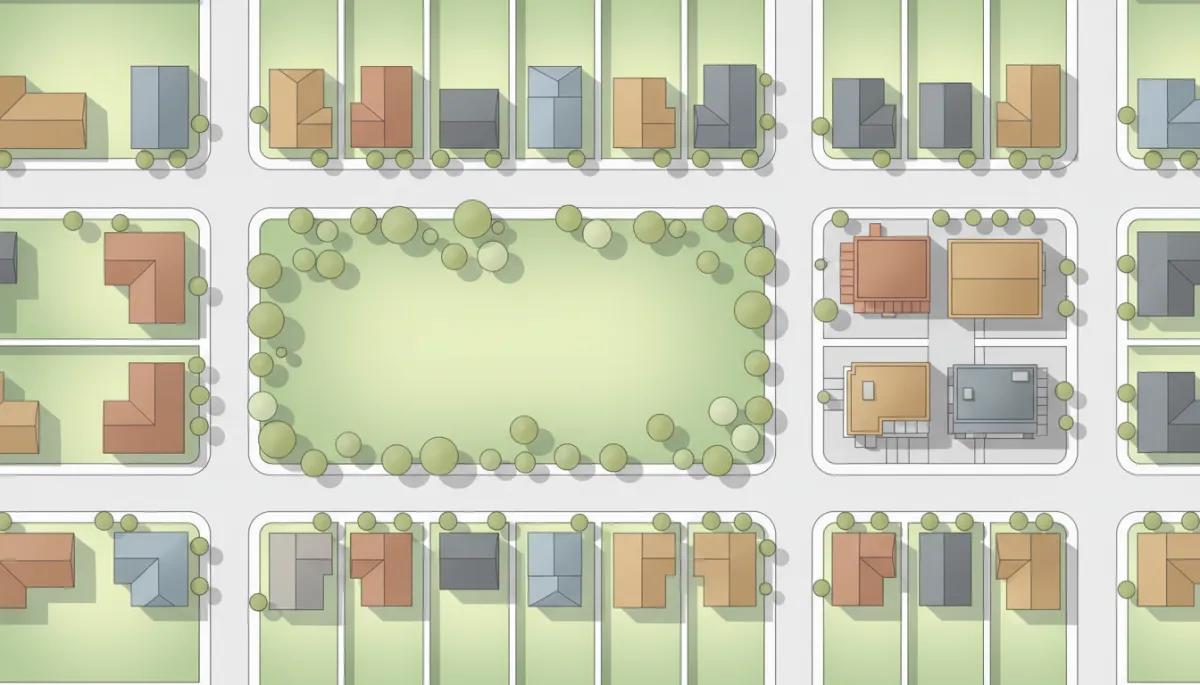
A thoughtful neighborhood analysis reveals how a community truly functions day to day.
Community Amenities: The Everyday Perks That Shape Your Routine
Community Amenities are the practical and recreational features that make life easier or more enjoyable. They transform a house into a home base for a rich Property Lifestyle. When evaluating a property, look beyond what’s inside the front door and ask: What does the area offer within a 5-, 10-, and 20-minute radius?
Daily essentials: Supermarkets, pharmacies, banks, and healthcare facilities nearby reduce stress and travel time for everyday errands.
Recreation and wellness: Parks, trails, gyms, pools, and sports facilities support an active Homeowner Lifestyle and can encourage healthier habits.
Culture and connection: Libraries, community centers, cafés, and local events create opportunities to meet neighbors and build a social network.
In many markets, rich Community Amenities are closely tied to stronger Property Value Factors. Areas with good schools, transit, and green spaces often maintain higher demand, even during slower market cycles. That means you’re not just buying convenience today — you’re supporting your investment for tomorrow.
Matching the Home to Your Daily Rhythm
Once you understand the neighborhood and amenities, bring the focus back to how you actually live. A property that looks perfect on paper can still clash with your Homeowner Lifestyle if it doesn’t support your routines and responsibilities.
Work and commute: If you commute daily, calculate the true door-to-door travel time at rush hour. If you work from home, pay attention to natural light, noise, and potential workspace in the property and the surrounding environment.
Family and pets: Proximity to schools, daycare, playgrounds, and dog parks can dramatically simplify family logistics and improve quality of life for everyone in the household.
Hobbies and downtime: Whether you love dining out, hiking, live music, or quiet reading in a park, check how easily you can access the activities that recharge you.
📌 Key Takeaway: A strong Property Lifestyle fit means your home supports your best days — not just the days when everything goes smoothly.
Property Value Factors: How Lifestyle Links to Long-Term Value
Lifestyle and investment value are more connected than many buyers realize. The same elements that make a home enjoyable to live in often support stronger Property Value Factors over time. When you evaluate lifestyle, you’re also indirectly evaluating resale potential.
Demand drivers: Good schools, safe streets, walkability, and transit access are consistently high on buyer wish lists. Properties that tick these boxes tend to attract more interest when you sell.
Future development: Planned infrastructure, new retail hubs, or park upgrades can enhance both lifestyle and long-term value. Conversely, major roads or commercial construction may bring noise and traffic that change the neighborhood’s feel.
Community stability: Areas with strong community engagement, active neighborhood associations, and consistent maintenance often weather market swings better than neglected or transient areas.
In other words, a lifestyle-rich property isn’t just nicer to live in; it can also be a smarter long-term asset. A holistic Real Estate Evaluation should weigh both your immediate enjoyment and the property’s future performance.
A Simple Framework for Lifestyle-Focused Real Estate Evaluation
To bring all these elements together, use a straightforward checklist every time you consider a property. Score each category from 1 to 5 based on how well it fits your needs:
Home fit: Layout, size, storage, and potential to adapt as your life changes.
Neighborhood Analysis: Safety, noise, traffic, and general atmosphere at different times of day.
Community Amenities: Access to essentials, recreation, schools, and social spaces that matter to you.
Daily routine support: Commute time, school runs, errands, and how the location supports or complicates them.
Property Value Factors: Market trends, demand drivers, and future development that could impact value.
Comparing properties using the same lifestyle-focused framework helps you move beyond emotional reactions to a beautiful kitchen or fresh paint. It anchors your decision in how each property will actually feel to live in — and how it may perform as an investment.
Conclusion: Choose a Life, Not Just a Listing
Buying a home is one of the biggest financial and personal decisions you’ll make. By looking beyond the structure and focusing on Property Lifestyle, you give yourself the best chance of choosing a place that supports your goals, routines, and well-being for years to come.
A thoughtful Real Estate Evaluation weaves together Neighborhood Analysis, Community Amenities , your personal Homeowner Lifestyle, and the key Property Value Factors that shape long-term returns. When all of these align, you’re not just buying a property — you’re choosing the day-to-day life that comes with it.
Next step: Before your next viewing, revisit your lifestyle priorities and bring a checklist. The right home will stand out not only because it looks good, but because it feels like the life you want to live.