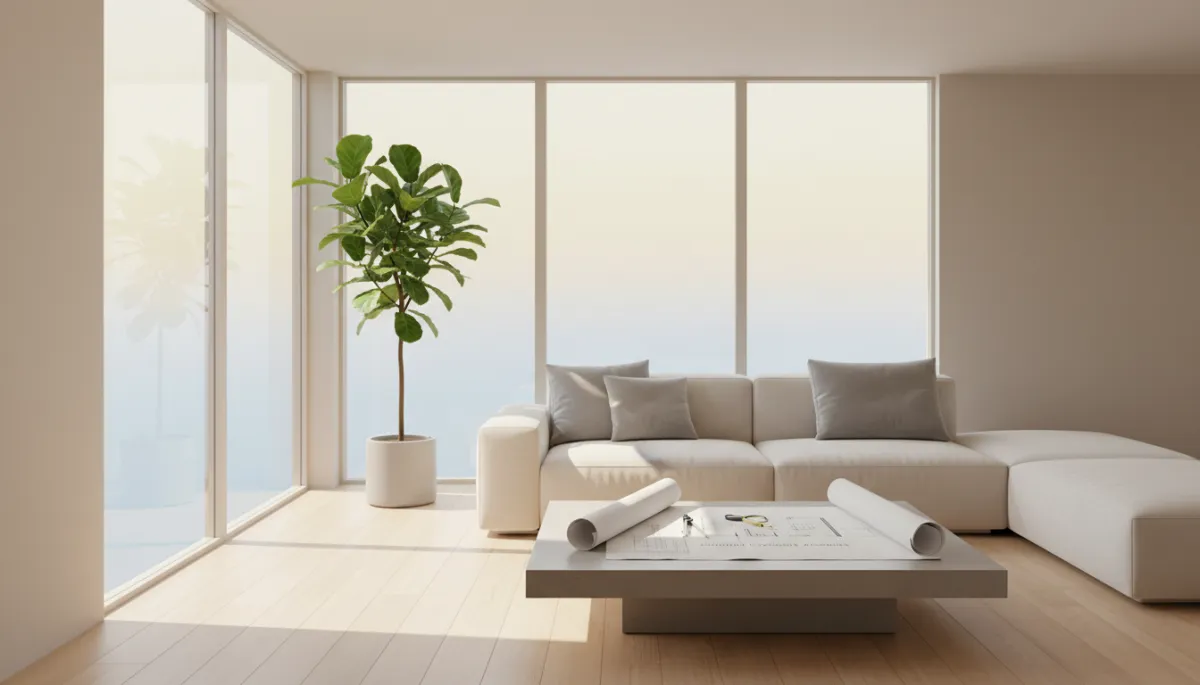
Evaluate Natural Light Before Buying a Home
Home Buying, Natural Light, Light Evaluation
How to Evaluate a Home’s Natural Light Before You Buy
Natural light shapes how a home feels, functions, and even how you live in it. Learning to evaluate light calmly and clearly before you buy can save you from disappointment later.
Why Natural Light Matters in Home Buying
During home buying, it is easy to focus on square footage, finishes, and layout. Yet natural light quietly influences every one of those features. A simple room can feel generous when sunlight moves through it. The same room can feel flat and heavy if it stays dim all day.
Good light supports mood, productivity, and sleep. It helps indoor plants thrive. It reduces your reliance on artificial lighting and can lower energy use in some seasons. When you consider a property, you are not only buying walls and windows. You are buying the quality of light that will fill your days there.
Because of this, light evaluation should sit beside price, neighborhood, and layout as a core part of your decision-making. You do not need special tools. You need attention, patience, and a simple process you can repeat at every showing.
Understand the Basics of Sunlight Exposure
Before you step into a property, it helps to understand how the sun moves and how that affects sunlight exposure. In the Northern Hemisphere:
East-facing rooms receive gentle morning light and are brighter earlier in the day.
South-facing rooms usually get the most consistent daylight across many hours, especially in winter when the sun sits lower.
West-facing rooms receive stronger afternoon and evening light, which can be warm but sometimes intense or hot in summer.
North-facing rooms tend to have softer, more even light, but often feel cooler and dimmer, especially in winter.
This simple orientation guide helps you predict the room brightness you can expect throughout the day. A south-facing living room may feel open and welcoming. A west-facing bedroom might require blackout shades if you are sensitive to late-day glare. Knowing this in advance keeps you from being surprised after move-in.
Make Natural Light Part of Your Property Inspection
A formal property inspection focuses on structure, systems, and safety. It rarely covers how light behaves in the space. That responsibility stays with you. When you walk through a home, treat natural light as another system to inspect: quiet, but essential to everyday comfort.
Before your visit, look at the listing photos with a critical eye. Are curtains always closed? Are most photos taken with lights on in the middle of the day? These can be subtle signs that the home might not receive much daylight. Note these questions and bring them with you to the showing.
💡 Minimalist Tip: During every home buying visit, turn off as many artificial lights as possible. Evaluate the space by daylight first, then turn lights back on to see how they layer together.
Visit at Different Times of Day
Light is not static. A single viewing cannot tell you how a home feels at 8 a.m., noon, and 5 p.m. If you are serious about a property, try to see it at least twice, at different times of day. This is one of the most powerful ways to perform a thoughtful light evaluation.
During a morning visit, notice which rooms wake up first. Does the kitchen feel bright enough for breakfast without turning on lights? In the afternoon, see where the sun lands. Does the living room become a warm, inviting space, or does it fall into shadow while another room takes the spotlight?
Evening visits matter as well. As the sun lowers, some rooms glow while others fade. Hallways and interior rooms with no windows show their true character. You may discover that a room you loved at noon feels too dim at dinner time for reading, working, or hosting guests.
Read the Windows: Size, Placement, and Orientation
Windows are the main gateway for natural light. When you step into each room, pause and study them. Ask a few simple questions:
How many windows are there, and how large are they compared to the room size?
Where are they placed: high, low, centered, or tucked into corners?
Which direction do they face, and what do they look out onto?
A large window facing a narrow alley may still feel dim if another building blocks the sun. A modest window facing an open courtyard can flood a space with light. Floor-to-ceiling glass can be beautiful, but in some climates it may create glare or overheating in the afternoon. Balance is more important than drama.
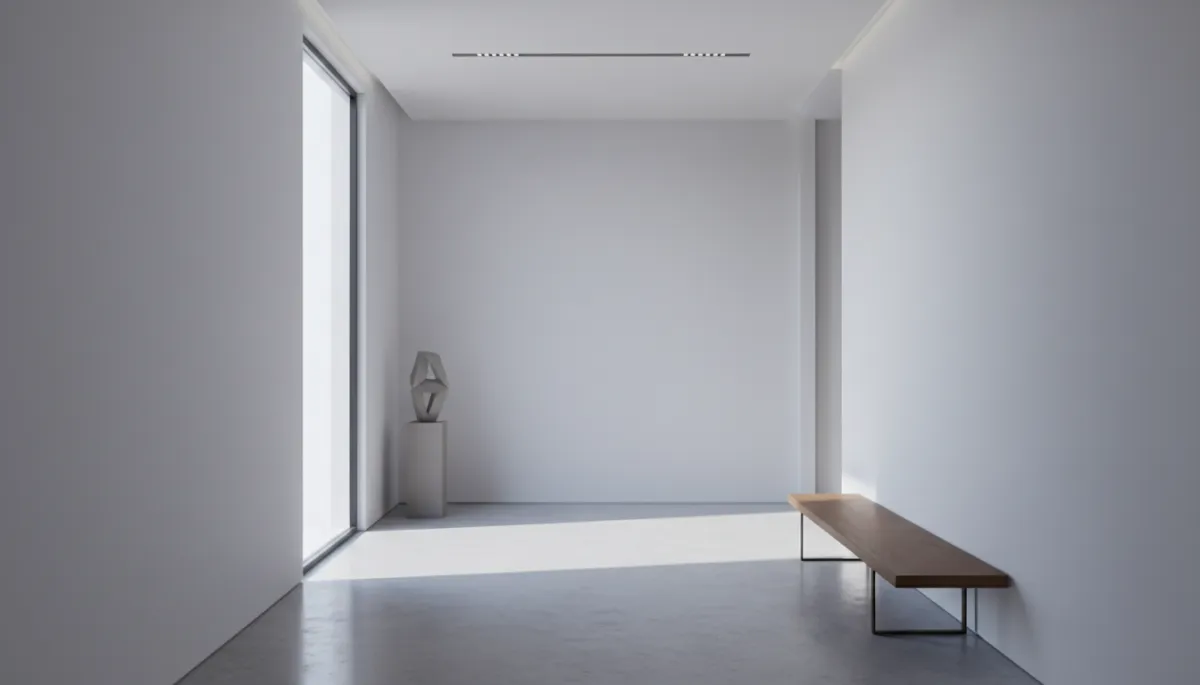
Even a single well-placed window can create calm, usable light in a small space.
Notice What Blocks or Filters the Light
Light does not travel in a straight line from the sun to your living room. It meets trees, fences, neighboring buildings, balconies, and roof overhangs along the way. During your property inspection, step close to each window and look out. Then step back and see how those outside elements shape the light inside.
Tall buildings nearby can limit direct sunlight but still allow soft reflected light.
Mature trees can filter harsh light beautifully in summer but may reduce brightness in winter when the sun is already weak.
Deep balconies or overhangs can shade windows for much of the day, especially on higher floors.
Inside the home, heavy drapes, dark blinds, and tinted glass can all reduce room brightness. Ask whether these treatments will stay or go. Sometimes simply removing dark window coverings reveals far more light than you first noticed. Other times, the structure itself limits what is possible without major renovation.
Test Room Brightness with Simple Checks
You do not need a light meter to judge room brightness. You can use your senses and a few quiet tests. Stand in the middle of the room. Turn off artificial lights. Let your eyes adjust for a minute. Then ask yourself:
Can I comfortably read a book or a phone screen without straining?
Do I see clear shadows on the floor or walls, or is the light mostly diffuse?
Are corners of the room significantly darker than the center?
You can also use simple objects as informal tools. Hold a white sheet of paper and notice how bright it appears in different parts of the room. Walk from the window toward the opposite wall and see how quickly the brightness falls away. These quiet checks reveal how evenly light is distributed, not just how strong it is near the glass.
💡 Minimalist Tip: Take a few photos from the same spot with lights off. Later, compare them across homes. The camera will exaggerate shadows, which can help you notice differences in natural light.
Match Light to How You Actually Live
Natural light is personal. The best light evaluation is not about chasing maximum brightness everywhere. It is about aligning light with your daily patterns. Think about where you spend your mornings, afternoons, and evenings at home, and what you do during those times.
If you work from home, prioritize a workspace with steady daylight and minimal glare on screens, often from north or east-facing windows.
If you love slow weekend mornings, an east-facing kitchen or dining area can feel uplifting without being harsh.
If evenings are your main time at home, look for living spaces that receive warm late-day sun or at least hold onto daylight longer.
Bedrooms can be more flexible. Some people enjoy waking with the sun in an east-facing room. Others prefer a cooler, darker space for sleeping and resting. When touring a property, imagine your actual routines, not an idealized version of your life. Let those habits guide which rooms truly need the best light.
Consider Seasons and Climate
The way a home feels in mid-summer may differ from how it feels in winter. In colder climates, generous sunlight exposure from south-facing windows can be welcome, bringing warmth and brightness to short days. In hot climates, the same exposure may mean heat gain and a need for shading, films, or blinds.
Ask the seller or agent how the home feels in different seasons. Do certain rooms become uncomfortably hot or stay gloomy? Are there times when you must keep blinds closed because of glare? Their answers help you decide whether the current balance between light and comfort suits you, or whether you would need to invest in changes after buying.
What Can Be Changed, and What Cannot
As you evaluate natural light during the home buying process, separate what can be improved easily from what is difficult or costly to change. This keeps your expectations realistic and your decisions clear.
Easier changes: Removing heavy drapes, choosing lighter paint colors, adding mirrors, and trimming small trees or shrubs can all enhance existing light without major work.
Moderate changes: Replacing dark window frames with slimmer ones, adding skylights, or opening interior walls can improve room brightness but require planning and budget.
Harder changes: Moving structural walls, changing window orientation, or removing neighboring buildings is usually unrealistic for most buyers.
If a home feels slightly dim but has good window placement and no major obstructions, small updates may be enough. If the structure itself limits light, no amount of decor will fully solve it. Recognizing this early helps you decide whether to move forward or keep looking.
Ask Direct Questions During Home Buying
Your real estate agent and the seller can be valuable sources of information about light. During your tours, ask simple, direct questions:
Which rooms feel brightest in the morning? In the afternoon? In winter?
Do you ever need to keep blinds closed because of glare or heat?
Have you made any changes to improve natural light or manage sunlight exposure?
Their responses, combined with your own observations, create a fuller picture. If you are scheduling a professional property inspection, you can also ask the inspector to note any signs of condensation, fading, or heat stress near windows. These clues reveal how light and heat interact with the home over time.
Create a Simple Light Checklist for Each Home
When you view several properties, details can blur. A minimalist checklist keeps your light evaluation consistent and calm. For each home, note:
Main orientation of living areas (east, south, west, north).
Brightest room and darkest room during your visit time.
Any major outside obstructions (tall buildings, dense trees, deep balconies).
How comfortable your eyes felt with all artificial lights off.
Simple improvements you could make to enhance natural light.
Keep this list short and repeatable. The goal is not to score homes with complex numbers, but to compare how each one feels in a clear, structured way. Over time, patterns will appear. You may notice that you consistently prefer homes with certain orientations or window types. Let those patterns guide your final choice.
Bringing It All Together
Evaluating a home’s natural light before you buy is not about perfection. It is about awareness. By folding light into your home buying process, you reduce the chance of moving into a space that looks good on paper but feels dull, cave-like, or uncomfortably bright in daily life.
Notice orientation and sunlight exposure. Pay attention to how windows are placed and what stands between them and the sky. Walk through each room with lights off and let your eyes tell you the truth about room brightness. Visit at different times of day. Ask direct questions. Use a simple checklist to compare homes without cluttering your mind.
Some compromises are natural. A home with an ideal layout may have slightly softer light than you hoped. Another with bright, open spaces may sit on a busier street. A minimalist approach accepts that no property is flawless. Instead, it helps you see clearly which qualities matter most to your daily well-being, and which ones you can adjust after moving in.
When you finally choose a home, you are choosing a backdrop for your mornings, your workdays, your quiet evenings. Natural light shapes all of those moments. Taking the time to evaluate it with care is a simple act of respect for your future self. Fewer surprises. Fewer regrets. More days that feel quietly, naturally bright.