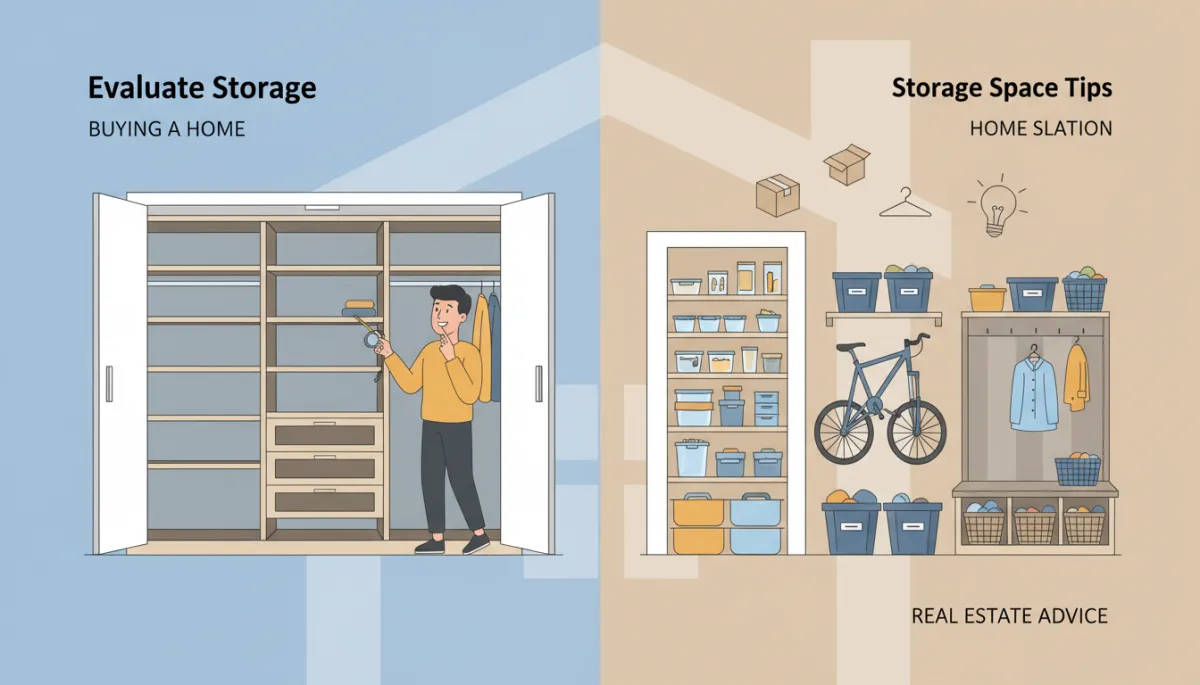
Evaluate Home Storage Before Buying
Real Estate Advice, Home Storage, Home Organization
How to Evaluate a Home’s Storage Space Before You Buy
When you’re buying a home, it’s easy to fall in love with the kitchen finishes or the natural light and completely overlook one crucial detail: storage. Yet smart home storage can make the difference between a home that feels calm and organized and one that’s always cluttered. This friendly guide will help you confidently evaluate storage in any property before you sign on the dotted line.
Why Storage Space Matters More Than You Think
Storage isn’t just about where your holiday décor will live. It affects daily routines, cleaning time, and even how relaxed you feel at home. Thoughtful home organization starts with having the right amount and type of storage in the first place. When you’re buying a home, it’s far easier (and usually cheaper) to choose a property with good storage bones than to retrofit everything later.
From a real estate advice perspective, homes with practical, well-designed storage often show better, feel larger, and can even support resale value. Buyers love walk-in closets, pantry space, and tidy garages for a reason: they make everyday life smoother.
💡 Pro Tip: Picture your current home on a “messy day.” If you moved that same amount of stuff into this new house, would it still feel livable?
Step 1: Start With a Storage Reality Check
Before you even tour homes, take an honest look at what you own. This simple exercise will guide how you evaluate storage later:
Count bulky items: luggage, sports equipment, tools, holiday décor, large kitchen appliances, and extra bedding.
Note hobbies that need dedicated space: crafting, gaming, woodworking, workout gear, or musical instruments.
Consider life changes: Are you planning for kids, pets, or working from home more often?
Having this list in mind turns vague impressions into clear storage space tips you can apply as you walk through each property. Instead of thinking, “This closet is nice,” you’ll think, “This closet can actually hold all our winter coats and boots.”
Step 2: Check the Big Three – Entry, Kitchen, and Bedrooms
Entry and Mudroom Storage
First impressions matter, and so does the first place you drop your shoes and bags. When you’re buying a home, look for:
A coat closet near the front door or garage entry.
Space for hooks, a bench, or cubbies for shoes and bags.
Flooring that can handle wet shoes and everyday traffic.
Without a drop zone, clutter tends to migrate into living areas. Even a small hallway can become effective home storage with a narrow console and wall hooks, but you’ll want to ensure there’s at least some wall space to work with.
Kitchen and Pantry Space
The kitchen is storage central. When you evaluate storage here, open every cabinet and drawer (yes, really). Pay attention to:
Upper and lower cabinet count, plus any tall pantry units.
Corner solutions like lazy Susans or pull-out shelves that reduce dead space.
Countertop appliances you use daily and where they will live.
A dedicated pantry—whether a walk-in or a tall cabinet—can be a game changer. If there isn’t one, look for nearby walls where you could add a freestanding cabinet or shelving later. This is a key piece of practical real estate advice many buyers overlook in favor of shiny finishes.
Bedroom Closets That Actually Work
Bedroom closets are where home organization either thrives or falls apart. As you tour, notice:
Closet size and layout—single rod and shelf, or multiple hanging levels?
Wall space for adding drawers, shoe racks, or organizers later.
Extra linen or hallway closets for towels, linens, and toiletries.
Walk-in closets are wonderful, but even reach-in closets can work well with the right systems. The key storage space tip here is to see potential: Could simple organizers double the capacity without major renovation?
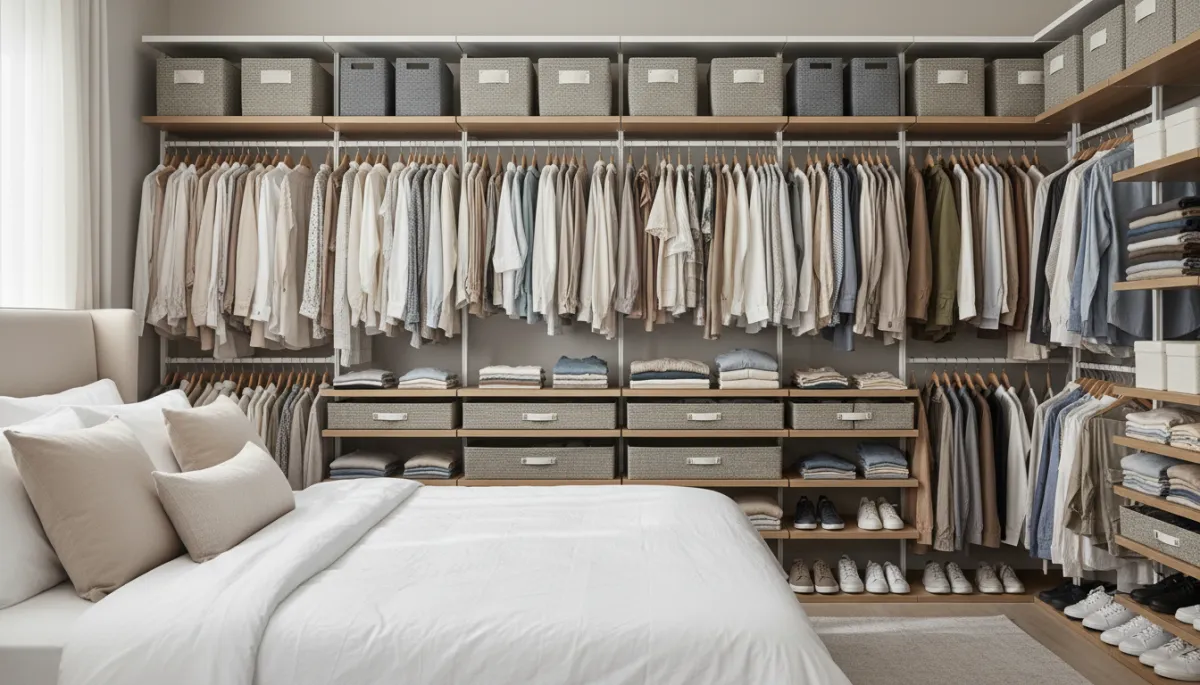
Well-planned closet systems can often double storage without changing the room’s footprint.
Step 3: Don’t Forget “Hidden” Storage Zones
Some of the best home storage opportunities are out of sight. When you’re buying a home, take time to explore these often-forgotten areas:
Basement, Attic, and Garage
These spaces are storage workhorses, but only if they’re usable and relatively dry. As you evaluate storage, look for:
Clear wall space in the garage for shelves or tool storage systems.
Access to the attic—pull-down stairs, flooring, and headroom matter.
Signs of moisture in basements that might limit what you can safely store.
Remember that seasonal items, bulk purchases, and rarely used keepsakes typically live in these zones. If there’s no basement or garage, factor in the cost and practicality of renting off-site storage—an important piece of realistic real estate advice.
Laundry, Utility, and Hallway Nooks
Small spaces can pull a lot of weight when planned well. As you walk through, imagine:
Shelving above the washer and dryer for detergents and linens.
A slim cabinet in a hallway for cleaning supplies and extra paper goods.
A closet or cabinet near the bathroom for toiletries and towels.
These modest upgrades are usually budget-friendly and can dramatically improve home organization once you move in.
Step 4: Look for Flexible, Future-Friendly Storage Options
You’re not just buying the home you need today—you’re buying the home you’ll grow into. Some of the best storage space tips are about flexibility:
Rooms that can serve double duty (guest room plus office with a closet for supplies).
Wide hallways or loft areas that can fit bookcases or storage benches.
Under-stair nooks that could become built-in cabinets or a small closet.
When you’re buying a home, ask your agent about simple storage-focused updates that are common in the neighborhood. Their real estate advice can help you understand what’s realistic for the property type and price point.
📌 Key Takeaway: A home doesn’t need perfect storage on day one, but it should offer clear possibilities to add more without major structural changes.
Step 5: Ask Smart Questions During Showings
To truly evaluate storage, go beyond what you see. During showings or inspections, consider asking:
“Where do the current owners keep holiday décor, sports gear, and tools?” (This reveals how they actually use the space.)
“Have there been any moisture issues in the basement, attic, or garage?” (Critical for long-term storage.)
“Are there any restrictions on adding built-in shelving or cabinets?” (Important for condos and townhomes.)
A good agent will welcome these questions and may offer additional real estate advice specific to the local market—such as typical garage sizes, attic use, or storage limitations in older homes.
Bringing It All Together: Your Storage Evaluation Checklist
As you tour homes, keep a simple checklist on your phone or a notepad. Here’s a friendly starting point you can adapt:
Entry: Coat closet or space for hooks and a bench?
Kitchen: Enough cabinets and a pantry option?
Bedrooms: Functional closets plus linen or hallway storage?
Hidden zones: Basement, attic, garage, laundry, and hallways usable for storage?
Future flexibility: Spots where you can add shelves, cabinets, or closet systems later?
Rate each home on a simple scale—such as “storage is tight,” “storage is workable with some upgrades,” or “storage is a strong asset.” This keeps your home storage needs front and center as you compare properties.
Final Thoughts: Choose a Home That Supports the Way You Live
The most beautiful house can quickly feel overwhelming if there’s nowhere to put anything. By taking time to thoughtfully evaluate storage—from closets and pantries to garages and hidden nooks—you’re really choosing how your future home will feel on an ordinary Tuesday, not just how it looks on move-in day.
When you’re buying a home, remember that storage is a foundation for stress-free home organization. Use the storage space tips in this guide, lean on your agent’s real estate advice, and don’t be afraid to walk away from a property that simply can’t support the way you live and store your belongings.
With a little planning and a sharp eye for home storage, you’ll be ready to choose a place that not only looks good in photos but also works beautifully in real life—clutter and all.