Cosmetic Updates vs. True Property Improvements
Home Renovation, Real Estate Value, Interior Design, Home Upgrades
The Difference Between Cosmetic Updates and True Property Improvements
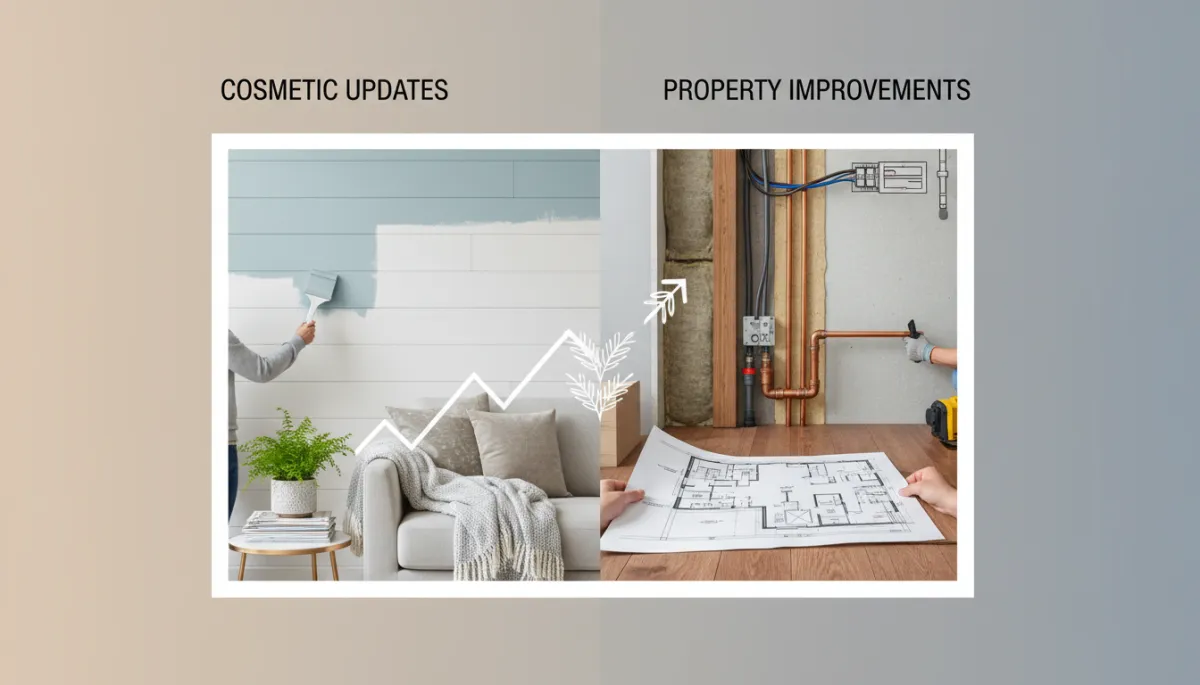
When planning a home renovation, it’s tempting to focus on the fun, visible changes—fresh paint, stylish light fixtures, trendy hardware. These cosmetic updates can transform how a space looks and feels, but they don’t always translate into lasting real estate value. On the other hand, deeper property improvements—like upgrading electrical systems, improving layouts, or replacing old windows—may not be as Instagram-worthy, yet they can significantly impact comfort, safety, and resale potential. Understanding the difference between these two types of home upgrades is essential if you want your money to work harder for you.
Cosmetic Updates: Fast Visual Impact, Limited Structural Change
Cosmetic updates are surface-level changes that refresh the appearance of a home without altering its structure, major systems, or layout. They are often affordable, quick to implement, and ideal when you want an immediate visual transformation or need to prepare a property for sale on a tight timeline. In the world of interior design, these are the details that make a home feel modern, cohesive, and move-in ready.
Repainting walls, trim, and doors in updated, neutral colors
Replacing cabinet hardware, door handles, and faucets with modern finishes
Swapping outdated light fixtures for contemporary designs
Installing new mirrors, towel bars, and accessories in bathrooms
Adding decorative elements like feature walls, window treatments, or stylish rugs
These home upgrades are powerful because they change how a buyer or guest feels the moment they walk through the door. A dated but structurally sound property can appear fresh and well cared for with strategic cosmetic changes. For sellers, that often means more showings, stronger first impressions, and sometimes a faster offer—especially in competitive markets where buyers scroll through listings quickly, judging largely by photos.
💡 Pro Tip: If your budget is small or your timeline is short, prioritize cosmetic updates in high-impact spaces: the entry, kitchen, and main bathroom.
True Property Improvements: Long-Term Function, Safety, and Value
True property improvements go deeper than aesthetics. They address the function, efficiency, and integrity of the home. These home renovation projects may be less visible at first glance, but they tend to carry more weight when it comes to long-term comfort and real estate value. Buyers, appraisers, and inspectors all pay close attention to these elements because they influence ongoing costs and potential risk.
Replacing an aging roof, upgrading insulation, or installing new windows for energy efficiency
Updating electrical panels, wiring, or plumbing to meet current safety standards
Reconfiguring layouts to improve flow, add storage, or create open-concept living
Finishing basements or attics to add usable square footage and functional rooms
Replacing old HVAC systems with efficient, properly sized units
While these projects are less glamorous than picking tile or paint colors, they often deliver a stronger return on investment over time. They reduce maintenance surprises, lower utility bills, and increase buyer confidence. A beautifully styled kitchen with failing plumbing will ultimately feel like a disappointment; a thoughtfully upgraded kitchen with quality infrastructure will feel like a solid, lasting improvement.
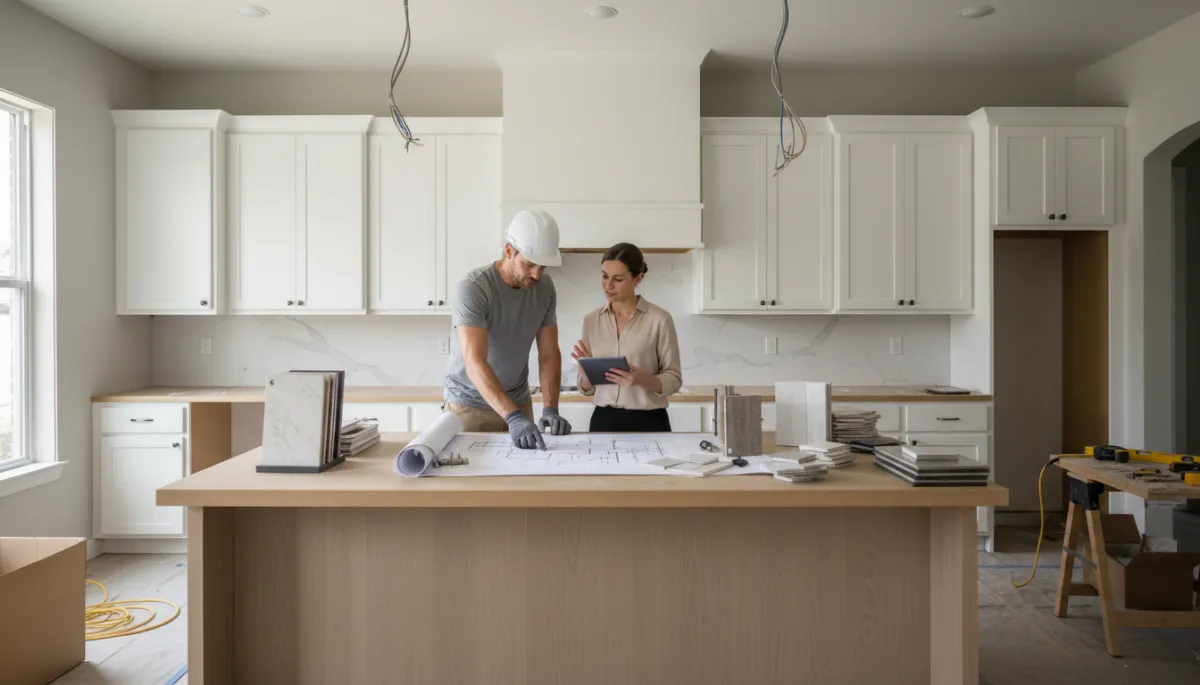
The best renovations align behind-the-walls upgrades with visible design choices.
How Each Affects Real Estate Value
Both cosmetic updates and true property improvements can influence real estate value, but they do so in different ways and on different timelines. Cosmetic changes often boost perceived value: they make a home feel more desirable, which can attract more buyers and potentially higher offers in the short term. However, their impact may fade as trends change or wear and tear sets in.
True property improvements, by contrast, tend to increase intrinsic value. When appraisers evaluate a property, they look at condition, quality of construction, and the presence of modern systems. A home with new windows, updated mechanicals, and a solid foundation will typically appraise higher than a similar home with the same square footage but outdated infrastructure—even if the latter has more stylish finishes. Buyers also factor in ongoing costs: energy-efficient upgrades, for example, can justify a higher purchase price because they reduce monthly utility bills.
📌 Key Takeaway: Cosmetic updates help your home show well and sell faster, while structural and systems-based improvements help it appraise higher and hold value over time.
Interior Design vs. Infrastructure: Finding the Right Balance
Successful home renovation is a balancing act between beautiful interior design and solid infrastructure. A truly valuable renovation respects both. Over-investing in high-end finishes while ignoring underlying issues can create a polished look that hides expensive problems. On the other hand, focusing only on behind-the-walls improvements without updating dated finishes can leave a home feeling tired and underwhelming, even if it’s technically sound.
Design-forward, infrastructure-aware: Update flooring, cabinetry, and lighting while also ensuring electrical, plumbing, and insulation meet current needs.
Function-first layouts: Rework choppy floor plans, narrow hallways, or awkward room configurations before investing in decorative details.
Timeless over trendy: Choose neutral, enduring finishes for big-ticket items and reserve bold trends for easily replaceable accents.
Professional designers and experienced contractors often collaborate to ensure that home upgrades are both visually cohesive and technically sound. This partnership can be especially valuable in kitchens and bathrooms, where plumbing, ventilation, and electrical requirements are complex but the visual expectations are also high.
Examples: Cosmetic Update vs. Property Improvement in Key Spaces
Kitchen
The kitchen is often the heart of the home and a primary driver of real estate value. Here’s how cosmetic updates compare with deeper improvements:
Cosmetic updates: Painting cabinets, replacing cabinet hardware, installing a new backsplash, updating faucets, or swapping outdated pendant lights for modern fixtures. These changes can dramatically refresh the look of the space without moving plumbing or replacing cabinetry.
Property improvements: Replacing worn-out cabinets, adding functional storage like pull-out drawers, upgrading to energy-efficient appliances, reconfiguring the layout for better workflow, or updating electrical circuits to safely handle modern demands. These investments improve daily use and long-term durability.
Bathroom
Bathrooms are another area where buyers quickly notice the balance between style and substance.
Cosmetic updates: Replacing vanity mirrors, lighting, faucets, and towel bars; re-caulking tubs and showers; installing new, neutral-colored grout; or repainting in a spa-like palette. These touches elevate the feel without altering plumbing.
Property improvements: Replacing old plumbing lines, installing a properly waterproofed shower system, upgrading ventilation to prevent moisture damage, or expanding a cramped half-bath into a full bathroom. These changes can significantly affect both daily comfort and resale appeal.
Living Areas and Bedrooms
In living rooms and bedrooms, the line between cosmetic and structural is often clearer, but both still matter.
Cosmetic updates: New paint, updated light fixtures, modern window treatments, and stylish flooring choices like luxury vinyl plank or engineered wood. These changes enhance the aesthetic and perceived quality of the home.
Property improvements: Adding insulation to exterior walls, upgrading windows to double or triple glazing, addressing structural issues like sagging floors, or adding built-in storage that makes rooms more functional and appealing.
Planning a Renovation: Questions to Prioritize the Right Home Upgrades
Before choosing paint colors or tile patterns, step back and assess your home’s overall condition and your long-term goals. The smartest home renovation plans are built on clarity about what matters most to you—personal enjoyment, resale in the near future, or long-term equity growth.
How long do you plan to stay? If you’ll be in the home for only a year or two, well-chosen cosmetic updates can help you stand out in the market without over-investing. If you plan to stay for five to ten years or more, prioritize property improvements that will pay off in comfort and reduced maintenance.
What are the home’s current pain points? Drafty rooms, frequent plumbing issues, or an outdated electrical panel are signs that true property improvements should come before decorative changes. Solving these issues first prevents you from having to undo finished work later.
What do comparable homes in your area offer? To protect real estate value, understand local expectations. If similar homes feature finished basements, modern kitchens, and updated baths, focusing purely on cosmetic updates may not be enough to stay competitive.
Where will each dollar make the biggest impact? A modest investment in curb appeal or paint can yield a strong return when selling, while larger investments in systems and layout can deliver value over the life of the home. Create a tiered plan that allocates budget to both.
Building a Layered Strategy: Combine Cosmetic Updates with Property Improvements
The most effective renovation strategies treat cosmetic updates and true property improvements as complementary rather than competing priorities. Think of improvements in layers: start with safety and structure, then move to function and flow, and finally refine the look with interior design details. This approach ensures that your home upgrades not only look good today but also stand up to everyday living and future buyer scrutiny.
Layer 1 – Safety and structure: Address roof, foundation, electrical, plumbing, and moisture issues first. These are the non-negotiables that protect your investment.
Layer 2 – Function and efficiency: Improve layout, storage, insulation, and mechanical systems. These upgrades enhance daily living and appeal to practical buyers focused on long-term costs.
Layer 3 – Aesthetic and style: Add the finishing touches—paint, fixtures, hardware, and decor—that showcase your personal taste and align with current interior design trends.
💡 Pro Tip: When you open up walls for a cosmetic remodel, use the opportunity to upgrade insulation, wiring, or plumbing. It’s far more cost-effective than doing it later.
Common Mistakes to Avoid in Home Renovation
Understanding the difference between cosmetic updates and true property improvements also means recognizing common missteps that can limit your return on investment or create frustration down the line.
Skipping inspections: Painting over water stains or covering cracks without investigating the cause can hide serious problems. Always diagnose before you decorate.
Over-customizing: Highly personalized interior design choices—like bold built-in colors or unconventional layouts—may limit your future buyer pool. Keep permanent elements more neutral and express personality with easily changeable decor.
Ignoring neighborhood norms: Over-improving beyond what your local market supports can make it difficult to recoup costs. Balance your wish list with realistic expectations about real estate value in your area.
Doing things out of order: Installing new flooring before replacing old plumbing or rewiring can lead to costly rework. Sequence projects from structural to cosmetic whenever possible.
Making Confident Decisions About Your Next Home Upgrades
Whether you’re refreshing a starter condo, modernizing a family home, or preparing a property for sale, knowing the difference between cosmetic updates and true property improvements helps you invest wisely. Cosmetic changes shape first impressions and can deliver quick wins in both enjoyment and market appeal. Structural and systems-based improvements, while less glamorous, protect your investment and support long-term real estate value.
The most successful home renovation projects weave these two approaches together. They pair thoughtful interior design with strategic, behind-the-scenes upgrades, creating spaces that are both beautiful and resilient. As you plan your next round of home upgrades, start by assessing your home’s current condition, clarifying your goals, and building a layered plan that respects both form and function. With a clear strategy, every dollar you spend can bring you closer to a home that not only looks the way you want, but also works the way you need—for years to come.