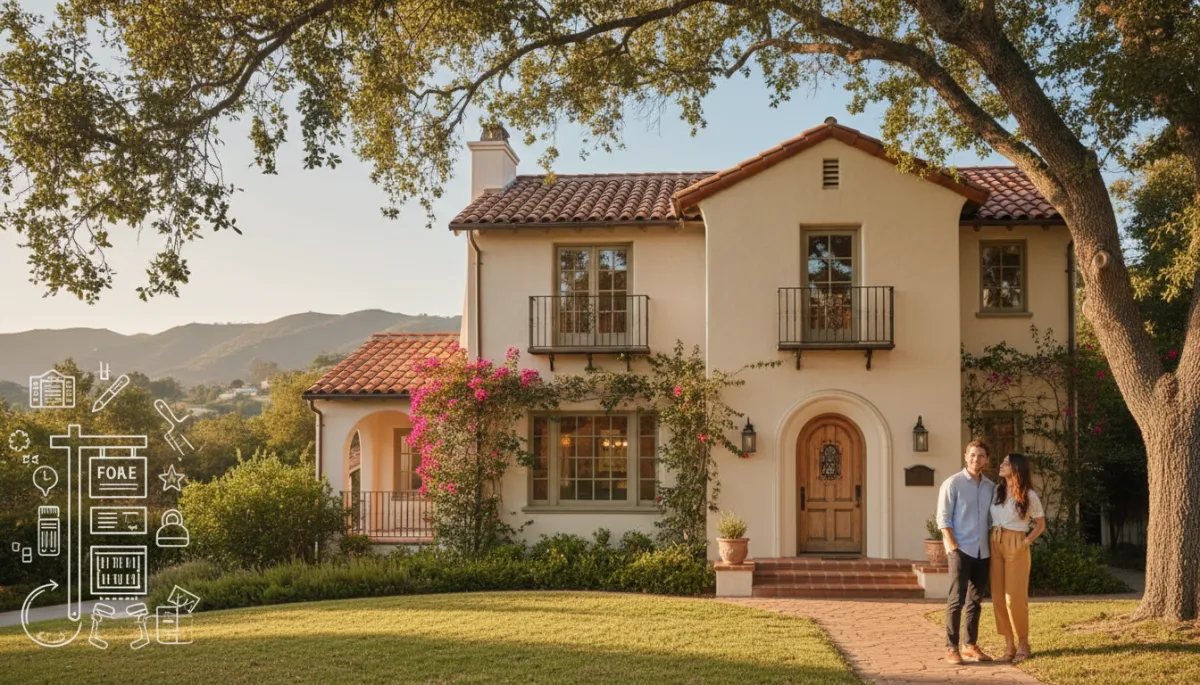
Buying an Older Home in Thousand Oaks: Key Insights
Real Estate, Older Homes, Thousand Oaks
Buying an Older Home in Thousand Oaks: What Character Comes With the Age?
Thinking about buying an older home in Thousand Oaks? You are not alone. Many buyers are drawn to the charm, history, and vintage character that newer construction simply cannot replicate. But along with that character comes a unique set of considerations, from inspections to home renovation plans. Here is the real estate advice you need to make a confident decision.
Why Older Homes in Thousand Oaks Attract Today’s Buyers
Thousand Oaks, with its tree-lined streets, established neighborhoods, and rolling hills, is rich with properties built from the 1950s through the 1980s. These older homes often sit on larger lots, with mature landscaping and a sense of privacy that is harder to find in newer developments. For many buyers, that alone is a compelling reason to look beyond brand‑new construction.
In addition, older Thousand Oaks neighborhoods usually feel more “established.” Streets are quieter, trees are taller, and there is a neighborly feel that comes from decades of community life. If you value walkable streets, character-filled architecture, and a home that does not look exactly like your neighbor’s, focusing on older homes can be a smart home buying tip to follow from the very beginning of your search.
What “Character” Really Means in an Older Home
When people talk about the “character” of an older home, they are often referring to details that feel handcrafted or thoughtfully designed rather than mass‑produced. In Thousand Oaks, that vintage character might show up in several ways:
Architectural details: Exposed beams, built‑in shelving, original brick fireplaces, or mid‑century rooflines that reflect the era’s style.
Mature landscaping: Large oak trees, established hedges, and gardens that have been growing for decades, providing shade and privacy.
Unique floor plans: Sunken living rooms, formal dining spaces, or step‑down family rooms that differ from today’s open‑concept layouts.
Original finishes: Solid wood doors, vintage hardware, textured plaster walls, and classic tile that can be preserved or reimagined.
These elements give older homes a sense of story and personality. Your home does not feel like it rolled off an assembly line last month; it feels like it has lived a life. For many Thousand Oaks buyers, that emotional connection is just as important as bed and bath counts.
The Trade‑Offs: Character vs. Condition
Of course, character comes with trade‑offs. A key piece of real estate advice when buying an older home in Thousand Oaks is to balance your love of vintage character with a clear‑eyed look at the home’s condition. Systems and materials age, and some may be at or near the end of their useful life.
Common issues you might encounter include older roofs, original plumbing, outdated electrical panels, single‑pane windows, and aging HVAC systems. None of these have to be deal‑breakers, but they should factor into your budget and your long‑term home renovation plans. The more you understand what you are walking into, the more confidently you can move forward with an offer.
💡 Pro Tip: Ask your agent to pull permits and previous sale history. This can reveal when major systems were last updated and help you estimate upcoming costs.
Essential Home Buying Tips for Older Properties
If you are serious about older homes in Thousand Oaks, a thoughtful, step‑by‑step approach can save you money and stress. Consider these practical home buying tips as you navigate the process:
Prioritize a thorough inspection. Older properties call for more than a quick once‑over. Hire an experienced inspector familiar with local building practices from past decades. In some cases, you may also want separate inspections for the roof, sewer line, or foundation, especially on sloped lots common in Thousand Oaks.
Budget beyond the purchase price. Build a cushion for immediate repairs, safety upgrades, and cosmetic changes. A realistic renovation budget will help you decide whether a particular home truly fits your finances, not just your wish list.
Understand insurance and safety requirements. Some older materials or outdated systems can affect insurability or premiums. Check with your insurance provider early, especially if the home has an older roof, knob‑and‑tube wiring, or certain types of plumbing.
Plan for energy efficiency upgrades. Many older homes were built before modern energy codes. Replacing single‑pane windows, adding insulation, and updating appliances can dramatically improve comfort and lower utility bills in Thousand Oaks’ warm summers and cool evenings.
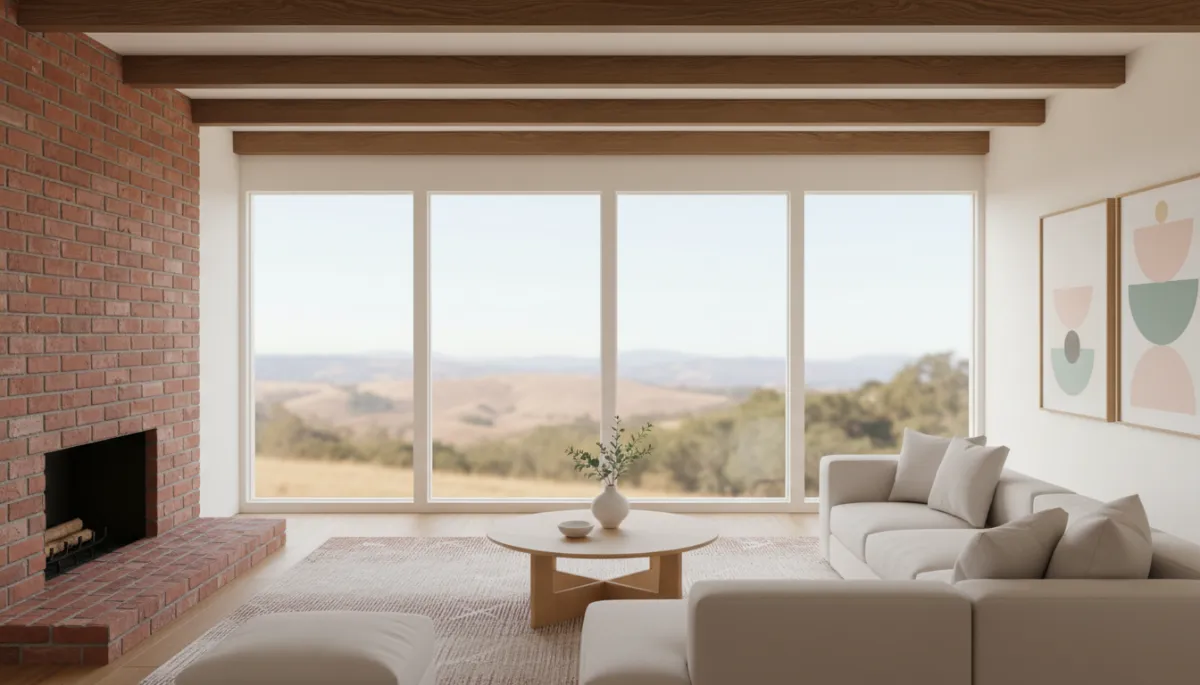
Thoughtful renovations can preserve vintage character while adding modern comfort and value.
Blending Vintage Character with Modern Living
One of the biggest advantages of buying an older home is the opportunity to blend the best of both worlds: timeless design and modern function. With a thoughtful home renovation plan, you can preserve the features that give the property its soul while updating the spaces you use most every day.
In Thousand Oaks, popular projects include opening up a closed‑off kitchen to create better flow, updating bathrooms with neutral tile and efficient fixtures, and refreshing flooring while keeping original beams or fireplaces. The goal is not to erase the home’s age, but to let its vintage character shine through in a way that supports today’s lifestyle.
Smart Renovations That Respect the Home’s History
As you consider home renovation ideas, focus first on structural integrity and safety, then move to style. Here are a few upgrades that often make sense for older homes in this area:
Electrical and plumbing updates to meet current codes and support modern appliances and technology.
Window replacements that improve energy efficiency while echoing the original style and proportions.
Kitchen refreshes that keep a charming layout or built‑ins, but add updated cabinets, countertops, and lighting in a neutral palette.
Bathroom modernizations with new tile, fixtures, and storage, while possibly preserving a unique tub or window.
📌 Key Takeaway: The best renovations feel like they belong to the home, not like they were copied from a showroom with no regard for the property’s age or style.
Working with the Right Real Estate Guidance
Because older homes can be more complex to evaluate, having strong real estate advice on your side is crucial. Look for an agent who understands the Thousand Oaks market, knows the differences among neighborhoods, and has experience with properties built in different decades. They should be able to point out both the strengths and the potential red flags of each home you tour.
A knowledgeable agent can also connect you with local inspectors, contractors, and designers who specialize in older homes. Together, this team can help you estimate renovation costs, prioritize projects, and decide whether a particular property is the right fit. Instead of guessing about what a new roof or updated electrical panel might cost, you will have clear numbers to work with before you remove contingencies.
Is an Older Thousand Oaks Home Right for You?
Ultimately, choosing an older home comes down to your personality, priorities, and tolerance for projects. If you want a turnkey property with the latest finishes and minimal maintenance, new construction may be a better match. But if you are drawn to one‑of‑a‑kind spaces, appreciate craftsmanship, and are willing to invest in thoughtful updates, the rewards of owning an older home in Thousand Oaks can be tremendous.
By combining smart home buying tips, realistic renovation planning, and experienced real estate advice, you can enjoy the best of what these homes offer: vintage character, established neighborhoods, and a property that truly feels like it belongs to you. With the right approach, the age of the home becomes an asset, not a liability—a source of charm, story, and long‑term value in one of Southern California’s most desirable communities.