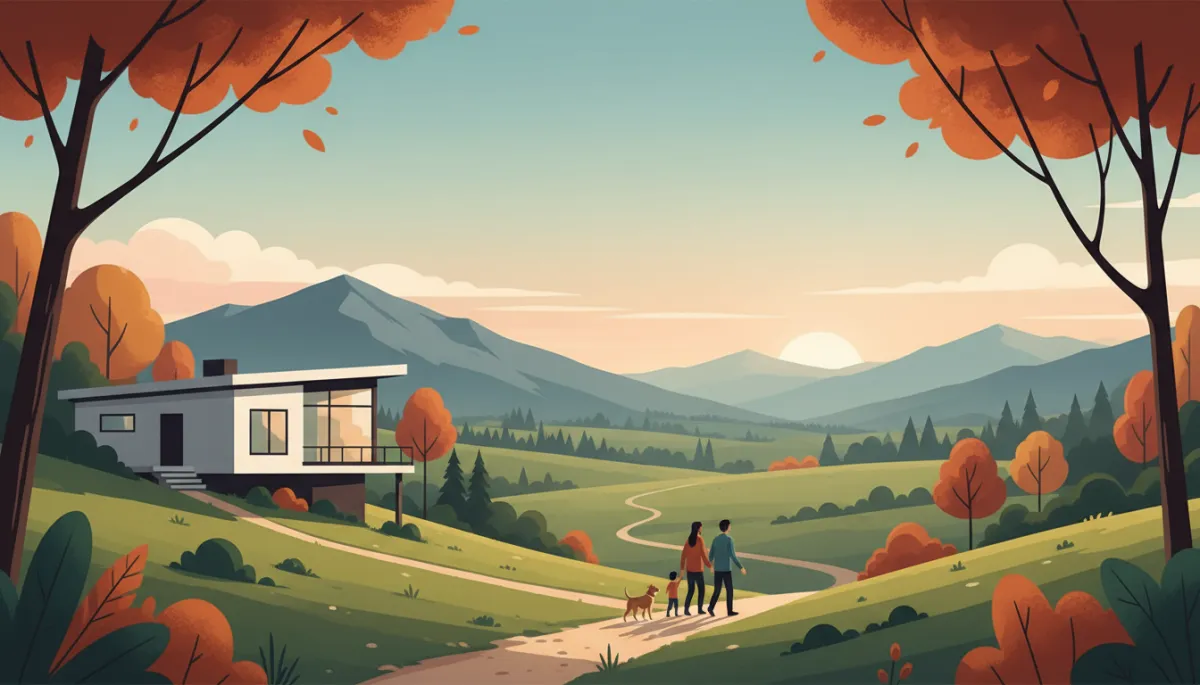
Guide to Buying a Home Near Open Space
Real Estate, Buying A Home, Home Buying Guide
What Buyers Should Know About Buying a Home Near Open Space
Thinking about buying a home near a park, greenbelt, or nature preserve? You’re not alone. Many buyers are drawn to the peace, views, and lifestyle that come with living close to open space. But like any major decision, it’s worth understanding both the perks and the practical details before you sign on the dotted line. This friendly home buying guide walks you through the key things to know so you can feel confident about choosing a property near parks and other neighborhood amenities.
Why Open Space Is So Appealing to Homebuyers
One of the biggest open space benefits is the feeling of breathing room. Instead of looking out your window at another row of houses, you may see trees, trails, or a playground. For many people, this instantly makes a property feel more relaxing and inviting. When you’re buying a home, that sense of calm can be just as important as square footage or countertop material.
Open space also encourages a more active lifestyle. With a park, greenbelt, or nature trail just steps away, it becomes easier to walk the dog, go for a jog, or take the kids out to play after dinner. These everyday habits can improve physical health, reduce stress, and help you feel more connected to your surroundings. That’s a powerful lifestyle upgrade many buyers are quietly searching for, even if they don’t say it out loud during showings.
💡 Friendly Tip: When touring a property near parks, visit at different times of day—early morning, after school, and on weekends—to see how people actually use the space.
Key Open Space Benefits for Property Value and Lifestyle
Beyond the peaceful views, there are some very practical reasons buyers seek out homes near open space. Understanding these can help you make smarter real estate decisions and use them to your advantage when negotiating or comparing homes.
Potential for higher resale value: In many markets, buyers are willing to pay a premium for a property near parks, trails, or protected open space, especially if the home has direct access or unobstructed views.
Better quality of life: Proximity to nature can make day-to-day living feel more enjoyable. You may sleep better, spend more time outdoors, and feel less boxed in by development.
Built-in neighborhood amenities: Open space often comes with extras like playgrounds, picnic areas, sports fields, dog parks, and walking paths—amenities you can enjoy without maintaining them yourself.
Community connection: Property near parks naturally becomes a gathering spot. You’re more likely to meet neighbors while out for a walk, which can make a new area feel like home faster.
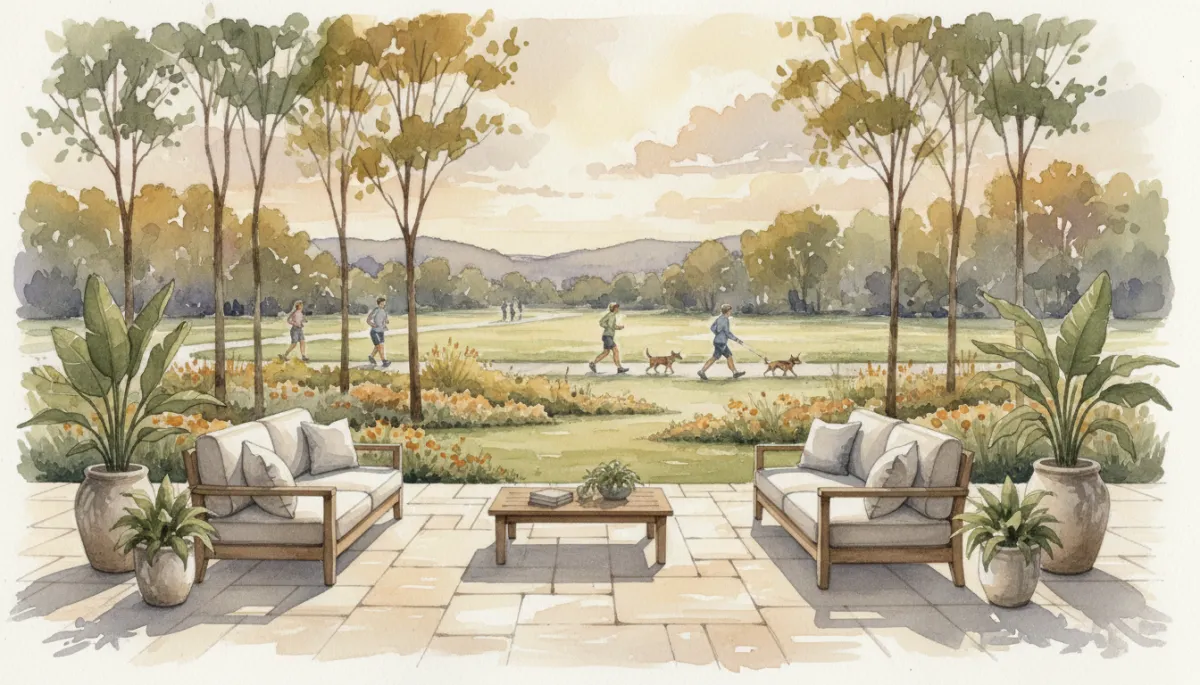
Direct access to trails can boost both daily enjoyment and long-term resale appeal.
Practical Real Estate Tips for Evaluating Open Space
Not all open space is created equal. As you work through your home buying guide checklist, it’s worth looking a little deeper at what kind of land you’re actually bordering. This is where a few smart real estate tips can protect your investment and your peace of mind.
Find out who owns the open space. Is it a city park, a private HOA greenbelt, a school field, or undeveloped land owned by a builder? Public parks and protected preserves are more likely to stay open long-term, while vacant private land could be developed later.
Ask about future plans and zoning. Your agent or local planning department can help you understand how the land is zoned and whether there are approved projects in the pipeline. This is especially important if you’re counting on that view staying the same.
Consider noise and activity levels. Property near parks can be lively. Playgrounds, sports fields, and dog areas may generate noise, especially on weekends or evenings. Decide whether that energy feels vibrant or overwhelming to you personally.
Look at access points and paths. A home backing to a quiet walking trail may feel very different from a home next to a busy parking lot or main park entrance. Walk the perimeter and notice where people tend to gather and travel.
💡 Friendly Tip: If you’re unsure about long-term plans, call the city or county planning office. They’re used to these questions and can often share maps, zoning details, and upcoming projects.
Balancing Open Space Benefits with Everyday Realities
Buying a home is always about trade-offs. While open space brings many advantages, it can also come with a few quirks that are worth factoring into your decision. A thoughtful home buying guide doesn’t just celebrate the pros—it helps you see the full picture so there are fewer surprises after move-in day.
Privacy considerations: Trails and parks mean more foot traffic behind or near your yard. Fencing, landscaping, or window coverings may become more important if you prefer extra privacy.
Lighting and parking: Some parks have bright lights for sports fields or parking lots that stay on after dark. Others attract extra cars on weekends or during events. Visit at night and on busy days to see how it feels.
Wildlife and maintenance: More trees and natural landscaping can mean more leaves, pollen, or critters. Ask how often the city or HOA maintains the space and whether there are any pest or drainage issues to be aware of.
None of these are deal-breakers for most buyers, but they do shape your day-to-day experience. The goal is to match the property near parks you choose with the lifestyle you actually want—whether that’s quiet morning walks, bustling weekend games, or a mix of both.
Making Neighborhood Amenities Part of Your Home Buying Guide
When people talk about buying a home, they often focus on the house itself—the bedrooms, the kitchen, the finishes. But your real estate tips toolkit should always include a careful look at neighborhood amenities. Open space is one piece of that puzzle, and it’s even more valuable when it connects with other conveniences nearby.
How far is the nearest grocery store, coffee shop, or school from the park or trail you’ll be using?
Are there sidewalks or bike lanes that make it easy and safe to get around without a car?
Does the neighborhood offer community centers, pools, or sports courts that complement the open space?
The more these elements work together, the more your property near parks becomes part of a walkable, enjoyable lifestyle rather than just a pretty view out the back window. That’s something future buyers will likely value too, helping support your home’s long-term appeal.
How to Work with Your Agent When Buying a Home Near Open Space
You don’t have to figure all of this out alone. A good real estate agent can be a huge asset when you’re specifically interested in open space benefits and neighborhood amenities. Be clear about what matters to you so they can tailor your search and offer the right real estate tips along the way.
Tell your agent that proximity to parks, trails, or greenbelts is a top priority, not just a “nice-to-have.”
Ask them to pull comparable sales for homes backing to open space versus interior lots so you can see how pricing differs.
Have them check HOA documents or city records for rules about fences, access gates, or future construction near the open space.
Together, you can build a thoughtful home buying guide customized to your needs, whether that means a quiet cul-de-sac backing to a preserve or a lively street just steps from a community park.
Bringing It All Together: Is a Home Near Open Space Right for You?
At the end of the day, buying a home near open space is about more than checking a box on a listing. It’s about the kind of mornings you want to wake up to, the way you hope to spend your evenings, and the memories you picture making just outside your front door. For many buyers, the combination of open space benefits, strong neighborhood amenities, and thoughtful planning makes this choice deeply rewarding.
As you explore properties near parks, trails, and greenbelts, keep both your heart and your head involved. Enjoy the views and the fresh air, but also ask the practical questions about ownership, zoning, activity levels, and long-term plans. Use the real estate tips in this guide to compare homes fairly, and don’t be afraid to lean on your agent for extra insight.
When you take this balanced approach, a property near parks can offer the best of both worlds: a smart investment and a daily dose of nature right outside your door. And that’s a pretty wonderful starting point for your next chapter at home.