Buying a Home with a Large Lot: Key Considerations
Real Estate, Large Lot Homes, Home Buying Tips
What to Know Before Buying a Home With a Large Lot
Large Lot Homes can be a dream come true: more privacy, more Outdoor Space, and more room to grow. But when you are Buying A Home with significant Property Size, there are important details to understand about Land Maintenance, costs, and long‑term responsibilities before you sign on the dotted line.
Why Large Lot Homes Are So Appealing
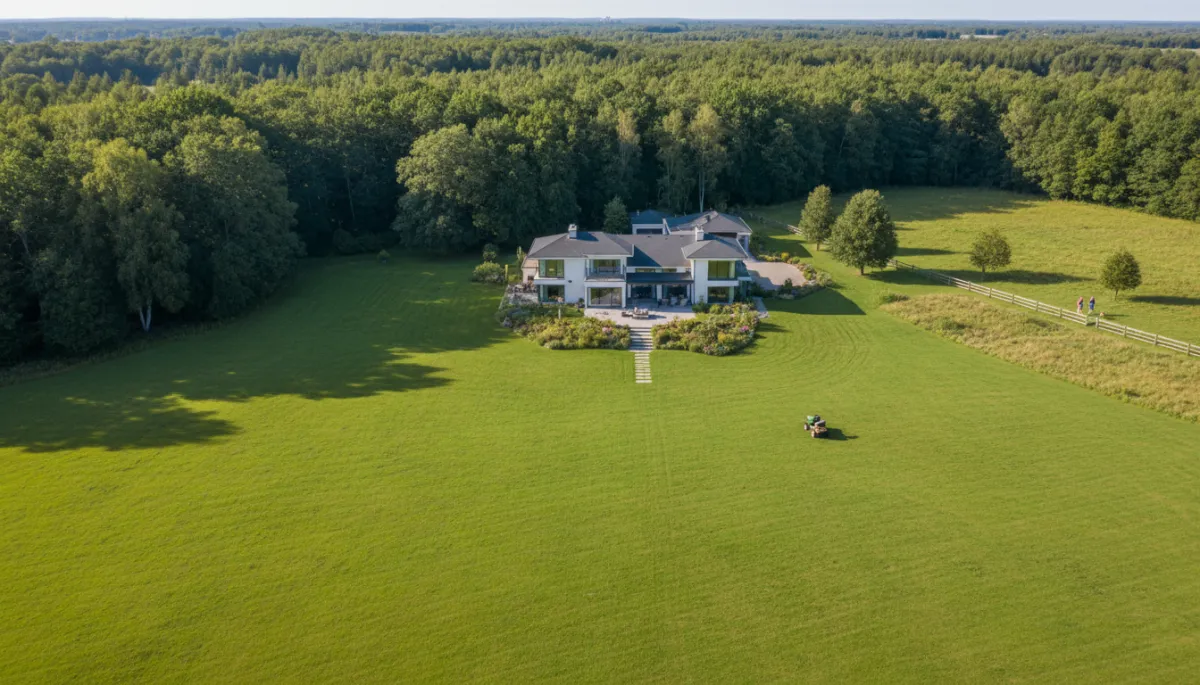
For many buyers, Large Lot Homes represent a lifestyle upgrade. Extra Outdoor Space means room for gardens, a pool, play areas, or even small-scale hobby farming. Neighbors may feel farther away, traffic noise tends to be lower, and you gain a sense of breathing room that smaller suburban lots simply cannot match. When you are Buying A Home with more land, however, it is essential to look past the romance and evaluate the practical realities of Property Size and Land Maintenance.
Understanding Property Size Beyond the Listing Sheet
A listing might boast “2 acres” or “half an acre,” but raw square footage does not tell the whole story. When evaluating Property Size, focus on how much of that land is usable. Steep slopes, dense woods, wetlands, easements, and utility corridors can all reduce the portion of the lot you can realistically enjoy or develop. Before Buying A Home, ask your agent for a copy of the survey and lot map so you can see boundaries, setbacks, and any encroachments in black and white.
Pay attention to:
Topography: Flatter land is easier and cheaper to maintain and build on than steep, rocky terrain.
Drainage: Low-lying areas may collect water, affecting landscaping, foundations, and Land Maintenance needs.
Natural features: Streams, ponds, and wooded areas are beautiful but may carry extra regulations and upkeep.
The True Cost of Land Maintenance on a Large Lot
One of the most important things to know before Buying A Home with a large lot is that Land Maintenance is not optional. Grass grows, trees shed branches, and driveways crack. The larger the Property Size, the more time, tools, and money you will need to keep everything safe and attractive. This is where many first‑time buyers of Large Lot Homes underestimate their long‑term commitment.
Consider the following recurring Land Maintenance tasks:
Lawn care: Mowing a small yard may take 30 minutes with a push mower. Several acres could require a riding mower, trimmer, and multiple hours each week during the growing season.
Tree and shrub upkeep: Pruning, leaf removal, and storm clean‑up can be significant, especially on wooded properties.
Driveway and access: Long gravel or paved driveways require snow removal, grading, sealing, or repairs.
Fencing and boundaries: Perimeter fences, gates, and property lines must be monitored and occasionally repaired.
💡 Home Buying Tip: When you tour a property, ask the current owner what they spend annually on lawn care, snow removal, tree work, and general Land Maintenance. Use those numbers when budgeting for your Large Lot Home.
Equipment, Services, and Your Time Commitment
Another key consideration before Buying A Home with substantial Property Size is how you will actually handle ongoing work. Will you invest in equipment and do it yourself, or hire professionals? A riding mower, trailer, leaf blower, chainsaw, and storage shed can add thousands of dollars to the cost of a Large Lot Home. Professional landscaping or yard services can easily become a major monthly expense if your Outdoor Space is extensive or heavily landscaped.
Be honest about how much time you are willing to spend on Land Maintenance. If your weekends are already full, outsourcing might be the only realistic option. In that case, build those service costs into your overall home‑buying budget, just as you would property taxes or insurance premiums.

Factoring in equipment and service costs is crucial when budgeting for a large lot.
Zoning, Restrictions, and Future Plans for Your Outdoor Space
Many buyers choose Large Lot Homes because they imagine future projects: adding a workshop, building a guest house, installing a pool, or keeping chickens. Before Buying A Home with big dreams attached, verify what is actually allowed. Zoning rules, homeowners association (HOA) covenants, and environmental regulations can all limit how you use your Outdoor Space, regardless of the Property Size you technically own.
Check setback requirements for new structures and additions.
Ask about restrictions on animals, outbuildings, or home‑based businesses.
Confirm whether wetlands, floodplains, or conservation areas affect your lot.
These Home Buying Tips are especially important if you are counting on future improvements to justify the higher cost of a large‑lot property. It is far better to discover limitations before you close than to learn later that your plans do not comply with local rules.
Utilities, Access, and Hidden Infrastructure Issues
Large Lot Homes often come with utility and infrastructure considerations that urban or small‑lot buyers rarely face. Longer distances mean more pipe, cable, and road to maintain. If the property uses a private well or septic system, their location on the lot directly affects how you can use your Outdoor Space and may add future Land Maintenance costs when repairs or replacements are needed.
Septic systems: Need regular pumping and have a finite lifespan. Replacing a system on a large lot can be expensive and may require specific placement areas.
Wells: Water quality and flow rate should be tested during the inspection period, especially if irrigation for extensive landscaping is important to you.
Private roads and easements: Long shared driveways or access roads may come with agreements about snow removal, repairs, and cost sharing.
Environmental Factors: Sun, Wind, and Wildlife
When you have more land, you are more exposed to nature in all its forms—something many people love, but which carries practical implications. Sun exposure influences where you can successfully plant gardens or place a patio. Wind patterns may affect where snow drifts, how dust moves, or how comfortable certain parts of your Outdoor Space feel at different times of year. Wildlife can be a delight, but deer, groundhogs, or other animals may damage landscaping or gardens and require additional fencing or deterrents as part of routine Land Maintenance.
As you walk the property, imagine it through the seasons: where snow will accumulate, where leaves will fall, how wet spring might affect low areas, and how summer heat will feel on open lawn versus shaded corners. These observations will help you decide if the Property Size and layout truly match your lifestyle and maintenance capacity.
Resale Value and Market Considerations for Large Lot Homes
Another aspect to know before Buying A Home with a large lot is how it may perform when you eventually sell. Large Lot Homes appeal strongly to some buyers and not at all to others. In markets where land is scarce or privacy is prized, extra Property Size can be a major selling point. In other areas, the higher purchase price and ongoing Land Maintenance may narrow your pool of future buyers.
Ask your real estate agent how similar properties have performed recently. Are large‑lot properties selling quickly or sitting on the market? Are buyers in your region prioritizing Outdoor Space, or are they more focused on commuting distance and interior finishes? Understanding these trends can help you decide whether stretching for more land is a smart long‑term move or an unnecessary expense for your situation.
Key Home Buying Tips for Evaluating a Large Lot
To bring it all together, here are practical Home Buying Tips to guide your decision when considering Large Lot Homes:
Walk the entire Property Size, not just the area around the house. Notice slopes, wet spots, and access points.
Request surveys, zoning information, and any HOA rules that affect Land Maintenance or future projects in your Outdoor Space.
Ask detailed questions about existing wells, septic systems, drainage, and driveway maintenance responsibilities.
Build a realistic annual budget that includes equipment, professional services, utilities, and seasonal Land Maintenance tasks.
Think five to ten years ahead: Will the size and upkeep of this property still fit your lifestyle as work, family, or health circumstances change?
Final Thoughts: Balancing Dream and Duty
Buying A Home with a large lot can absolutely be worth it if you value privacy, Outdoor Space, and the freedom to shape your surroundings. The key is going in with open eyes. Take time to understand the true implications of Property Size, from Land Maintenance and equipment needs to zoning limitations and resale potential. Combine these insights with thoughtful Home Buying Tips, and you will be well positioned to choose a Large Lot Home that enhances your lifestyle rather than overwhelming it.
With careful research, realistic budgeting, and a clear sense of how you want to use your land, that expansive yard or multi‑acre parcel can become a source of daily enjoyment instead of a never‑ending to‑do list. The more you know before you buy, the more confidently you can decide whether a big lot truly feels like home.